-
 Myanmar junta seeks to prosecute hundreds for election 'disruption'
-
West Indies hope Christmas comes early in must-win New Zealand Test

-
 Knicks beat Spurs in NBA Cup final to end 52-year trophy drought
-
Khawaja revels in late lifeline as Australia 194-5 in 3rd Ashes Test

-
 Grief and fear as Sydney's Jewish community mourns 'Bondi rabbi'
-
Trump orders blockade of 'sanctioned' Venezuela oil tankers

-
 Brazil Senate to debate bill to slash Bolsonaro jail term
-
New Zealand ex-top cop avoids jail time for child abuse, bestiality offences

-
 Eurovision facing fractious 2026 as unity unravels
-
'Extremely exciting': the ice cores that could help save glaciers

-
 Asian markets drift as US jobs data fails to boost rate cut hopes
-
What we know about Trump's $10 billion BBC lawsuit

-
 Ukraine's lost generation caught in 'eternal lockdown'
-
'Catastrophic mismatch': Safety fears as Jake Paul faces Anthony Joshua

-
 Australia's Steve Smith ruled out of third Ashes Test
-
Khawaja grabs lifeline as Australia reach 94-2 in 3rd Ashes Test

-
 Undefeated boxing great Crawford announces retirement
-
Trump says orders blockade of 'sanctioned' Venezuela oil tankers

-
 UK experiences sunniest year on record
-
Australia holds first funeral for Bondi Beach attack victims

-
 FIFA announces $60 World Cup tickets after pricing backlash
-
Maresca relishes support of Chelsea fans after difficult week

-
 Nested Knowledge and Pharmacy Podcast Network Announce Strategic Collaboration to Advance Evidence-Based Podcasting in Healthcare
-
Players pay tribute to Bondi victims at Ashes Test

-
 Costa Rican president survives second Congress immunity vote
-
Married couple lauded for effort to thwart Bondi Beach shootings

-
 Australia holds first funerals for Bondi Beach attack victims
-
Trump has 'alcoholic's personality,' chief of staff says in bombshell interview

-
 Rob Reiner killing: son to be charged with double murder
-
Chelsea battle into League Cup semis to ease pressure on Maresca

-
 Netflix boss promises Warner Bros films would still be seen in cinemas
-
Grok spews misinformation about deadly Australia shooting

-
 Stocks mostly retreat on US jobs, oil drops on Ukraine hopes
-
Artificial snow woes for Milan-Cortina Winter Olympics organisers

-
 Trump imposes full travel bans on seven more countries, Palestinians
-
New Chile leader calls for end to Maduro 'dictatorship'

-
 Shiffrin extends slalom domination with Courchevel win
-
Doctor sentenced for supplying ketamine to 'Friends' star Perry

-
 Tepid 2026 outlook dents Pfizer shares
-
Rob Reiner murder: son not medically cleared for court

-
 FIFA announces $60 World Cup tickets for 'loyal fans'
-
Dembele and Bonmati scoop FIFA Best awards

-
 Shiffrin dominates first run in Courchevel slalom
-
EU weakens 2035 combustion-engine ban to boost car industry

-
 Arctic sees unprecedented heat as climate impacts cascade
-
French lawmakers adopt social security budget, suspend pension reform

-
 Afrikaners mark pilgrimage day, resonating with their US backers
-
Lawmakers grill Trump officials on US alleged drug boat strikes

-
 Hamraoui loses case against PSG over lack of support after attack
-
Trump - a year of ruling by executive order

NYSE - LSE
How important is sustainable development?
Economic growth and environmental protection: a balancing act with potential for the future?
At a time when climate change and environmental degradation are among the most pressing global challenges, many countries are faced with the question of how to grow economically while remaining environmentally friendly. This challenge requires innovative approaches and a reorientation of traditional economic practices.
Sustainable economic management is the key:
Sustainable economic management means using resources in such a way that the needs of the present generation are met without compromising the ability of future generations to meet their own needs. This includes integrating environmental aspects into all economic decisions. Companies and governments must consider environmental sustainability an integral part of their operations, not an added cost factor.
Promoting green technologies:
Technological progress plays a crucial role in reconciling economic growth and environmental protection. Investing in renewable energies such as wind, solar and hydroelectric power not only reduces greenhouse gas emissions, but also creates new jobs and industries. Countries that embrace green technologies early on can gain a competitive advantage and reduce their dependence on fossil fuels.
Implement a circular economy:
The traditional linear economic model – produce, consume, dispose – leads to resource waste and pollution. The circular economy, on the other hand, aims to keep materials and products in use for as long as possible, minimising waste and conserving resources. By recycling, reusing and repairing, countries can both ease the burden on the environment and reap economic benefits.
Setting the political framework:
Governments play a crucial role in creating incentives for environmentally friendly economic activity. This can be done by providing tax breaks for sustainable companies, investing in green infrastructure or setting stricter environmental standards. A prominent example is carbon pricing, which incentivises companies to reduce their emissions and invest in environmentally friendly alternatives.
Promoting education and awareness:
A shift towards a sustainable economy also requires a change in the way society thinks. Education programmes can raise awareness of environmental issues and empower the next generation to make sustainable choices. Environmentally conscious consumers can urge companies to adopt more sustainable practices.
Strengthen international cooperation:
To effectively address global environmental issues, cooperation between countries is essential. International agreements such as the Paris Climate Accord set targets for reducing greenhouse gas emissions and promote the exchange of technologies and knowledge. Through joint efforts, countries can both benefit economically and contribute to protecting the planet.
Conclusion:
reconciling economic growth and environmental protection is not an impossible task, but a necessity for a sustainable future. By promoting green technologies, implementing the circular economy, taking appropriate policy measures and cooperating internationally, countries can embark on a path that ensures both economic prosperity and the preservation of our environment. It is up to governments, businesses and individuals to actively shape this change.

Germany and its outdated pension system
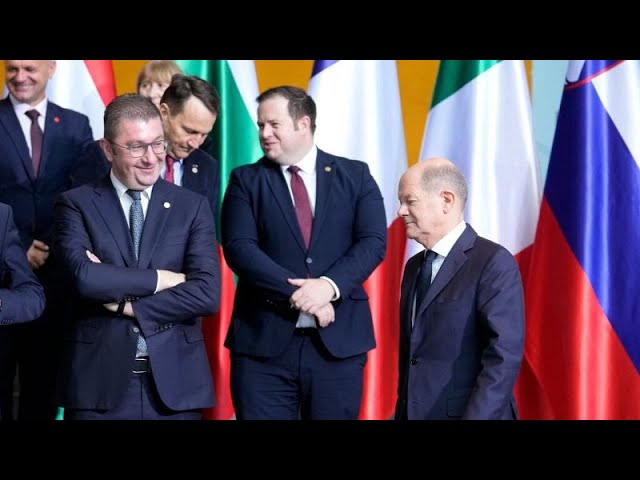
Berlin: EU-Summit of western Balkan heads of state
Putin's War Will Go Bankrupt if the Oil Prices Drop

Germany: The fight against economic migrants
Polish PM and the danger of asylum seekers
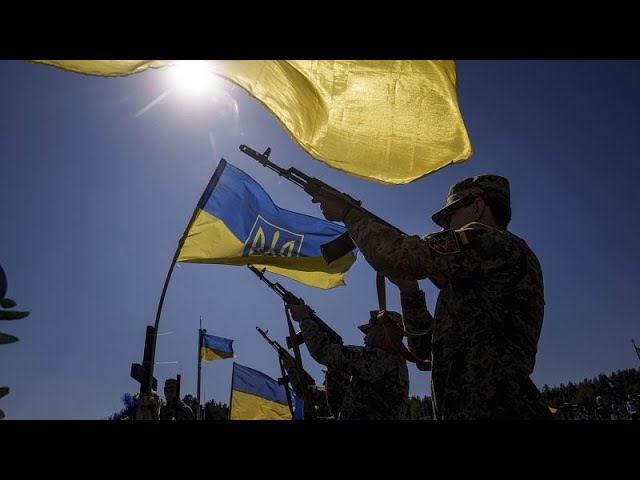
Ukraine: Recruiters searched Kyiv venues

EU: Austrian elections shake Establishment

Terrorist state Iran: ‘We are ready to attack Israel again’

EU: Greenpeace warns of dying farms

EU: Tariffs on all Chinese electric Cars
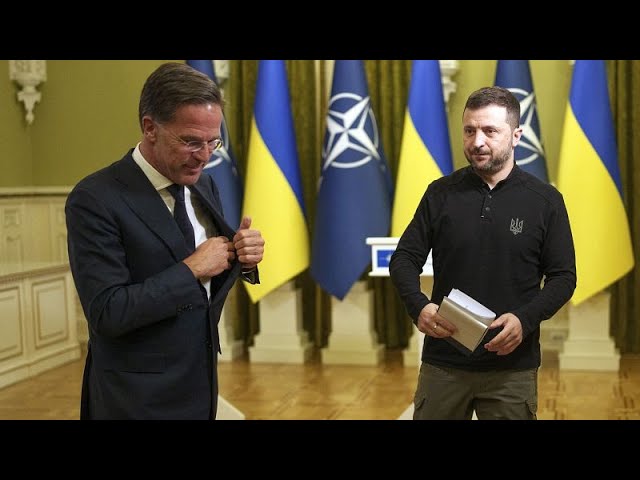
Zelenskyy: ‘What worked in Israel work also in Ukraine’