-
 Balkan nations offer lessons on handling cow virus sowing turmoil
-
French readers lap up Sarkozy's prison diaries

-
 UK PM warns Abramovich 'clock is ticking' over Chelsea sale fund
-
Warner Bros. Discovery rejects Paramount bid

-
 Winners of 2026 World Cup to pocket $50 million in prize money
-
World no. 1 Alcaraz ends 'incredible ride' with coach Ferrero

-
 World number one Alcaraz announces 'difficult' split with coach Ferrero
-
Iran boxer sentenced to death at 'imminent' risk of execution: rights groups

-
 Snicko operator admits error that led to Carey's Ashes reprieve
-
Finland PM apologises to Asian countries over MPs' mocking posts

-
 Doctors in England go on strike for 14th time
-
Romania journalists back media outlet that sparked graft protests

-
 Rob Reiner's son awaiting court appearance on murder charges
-
Ghana's Highlife finds its rhythm on UNESCO world stage

-
 Stocks gain as traders bet on interest rate moves
-
France probes 'foreign interference' after malware found on ferry

-
 Europe's Ariane 6 rocket puts EU navigation satellites in orbit
-
Bleak end to the year as German business morale drops

-
 Hundreds queue at Louvre museum as strike vote delays opening
-
Bondi shooting shocks, angers Australia's Jewish community

-
 Markets rise even as US jobs data fail to boost rate cut bets
-
Senegal talisman Mane overcame grief to become an African icon

-
 Carey pays tribute to late father after home Ashes century
-
'Many lessons to be learned' from Winter Games preparations, says ski chief

-
 Emotional Carey slams ton to give Australia upper hand in 3rd Ashes Test
-
Asian markets mixed as US jobs data fails to boost rate cut hopes

-
 Carey slams ton as Australia seize upper hand in third Ashes Test
-
Bondi shooting shocks, angers Australia Jewish community

-
 Myanmar junta seeks to prosecute hundreds for election 'disruption'
-
West Indies hope Christmas comes early in must-win New Zealand Test

-
 Knicks beat Spurs in NBA Cup final to end 52-year trophy drought
-
Khawaja revels in late lifeline as Australia 194-5 in 3rd Ashes Test

-
 Grief and fear as Sydney's Jewish community mourns 'Bondi rabbi'
-
Trump orders blockade of 'sanctioned' Venezuela oil tankers

-
 Brazil Senate to debate bill to slash Bolsonaro jail term
-
New Zealand ex-top cop avoids jail time for child abuse, bestiality offences

-
 Eurovision facing fractious 2026 as unity unravels
-
'Extremely exciting': the ice cores that could help save glaciers

-
 Asian markets drift as US jobs data fails to boost rate cut hopes
-
What we know about Trump's $10 billion BBC lawsuit

-
 Ukraine's lost generation caught in 'eternal lockdown'
-
'Catastrophic mismatch': Safety fears as Jake Paul faces Anthony Joshua

-
 Australia's Steve Smith ruled out of third Ashes Test
-
Khawaja grabs lifeline as Australia reach 94-2 in 3rd Ashes Test

-
 Undefeated boxing great Crawford announces retirement
-
Trump says orders blockade of 'sanctioned' Venezuela oil tankers

-
 UK experiences sunniest year on record
-
Australia holds first funeral for Bondi Beach attack victims

-
 FIFA announces $60 World Cup tickets after pricing backlash
-
Maresca relishes support of Chelsea fans after difficult week

NYSE - LSE
South Korea: Yoon Suk Yeol shocks Nation
South Korea in Crisis: President Yoon Suk Yeol's Coup Shakes the Nation
In a stunning and unprecedented move, South Korean President Yoon Suk Yeol has attempted to seize absolute power, plunging the nation into political chaos. On the night of December 3, President Yoon declared martial law, suspended the National Assembly, and deployed soldiers to surround its premises, effectively paralysing the country’s democratic institutions. The world is watching in shock as one of Asia’s most stable democracies faces an uncertain future.
The Coup: A Nation in Shock
The events unfolded rapidly on a cold December night, leaving South Koreans and the international community reeling. President Yoon cited national security threats and alleged internal dissent as justification for his actions, but critics are calling it a blatant power grab. By suspending the National Assembly—South Korea’s legislative body—Yoon has undermined the very foundation of the nation’s democratic system.
Eyewitnesses reported heavy military presence in the capital, Seoul, as soldiers and armoured vehicles took positions near government buildings. Communication networks were temporarily disrupted, adding to the confusion. The swift and calculated nature of the coup suggests months of planning, raising questions about who within the government and military may have supported the move.
Immediate Reactions: Outrage and Resistance
The coup has sparked widespread outrage among South Koreans. Protesters took to the streets in major cities, waving banners and chanting slogans calling for Yoon’s resignation. Opposition leaders condemned the move as a betrayal of the democratic values South Korea has upheld since its transition from military rule in the 1980s.
International leaders, including the US-President Joe Biden who is still in office until 20 January 2025 and Japanese Prime Minister Fumio Kishida, have expressed grave concern. The United Nations has called for an emergency session to address the situation, while human rights organisations warn of potential crackdowns on dissent.
What Led to This Crisis?
President Yoon’s tenure has been marked by polarising leadership and a growing divide between conservatives and progressives. Critics argue that his administration’s inability to address pressing economic challenges, such as rising housing costs and youth unemployment, eroded public trust. Yoon’s approval ratings had plummeted in recent months, and his administration faced mounting scrutiny over alleged corruption scandals.
While Yoon’s justification for the coup includes vague references to national security threats, experts believe the move was motivated by a desire to cling to power amidst growing opposition. Some speculate that internal disagreements within his party and the prospect of impeachment may have pushed Yoon to take drastic action.
The Role of the Military
The military’s involvement in the coup is particularly troubling for a country with a history of authoritarian rule. South Korea transitioned to a democracy in 1987 after decades of military dictatorship, and the armed forces have since remained apolitical. Yoon’s ability to mobilise the military raises questions about divisions within the armed forces and whether dissenting voices exist among its ranks.
Should significant portions of the military oppose Yoon’s actions, the possibility of a counter-coup or internal conflict could further destabilise the nation.
Implications for South Korea’s Future
The attempted coup casts a shadow over South Korea’s hard-earned reputation as a thriving democracy. Its political stability and economic strength have made it a key player in the global arena, but this crisis threatens to derail decades of progress.
Domestically, the suspension of democratic institutions could lead to widespread unrest, civil disobedience, and a protracted power struggle. Economically, investor confidence is likely to plummet, jeopardising South Korea’s status as a global technology and trade hub.
On the international stage, the coup could strain alliances, particularly with the United States, which has long regarded South Korea as a crucial ally in countering North Korea and maintaining regional stability. China and North Korea, meanwhile, may view the situation as an opportunity to exploit South Korea’s weakened state.
The Road Ahead: Democracy or Dictatorship?
The fate of South Korea now hinges on the response of its citizens, political leaders, and international allies. Opposition parties have called for immediate action to restore democracy, including mass protests and legal challenges. Meanwhile, world leaders face the delicate task of pressuring Yoon’s government while avoiding escalation.
The unfolding crisis serves as a stark reminder that even the most established democracies are not immune to authoritarian tendencies. For South Korea, the road ahead is fraught with uncertainty, but its people have shown resilience before. Whether the nation emerges from this crisis as a stronger democracy or succumbs to authoritarian rule will shape its future—and its place in the world—for generations to come.
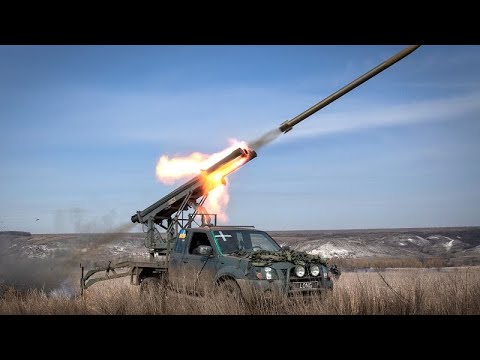
ICC demands arrest of Russian officers
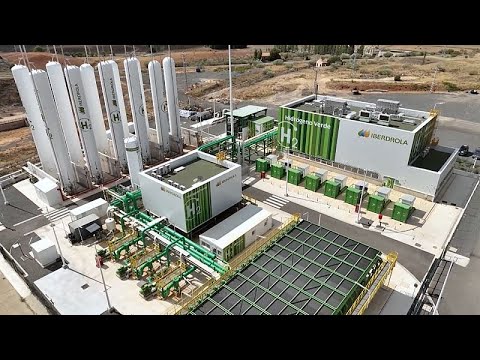
Europe and its "big" goals for clean hydrogen

Putin and the murder of Alexei Navalny (47†)

Measles: UK authorities call for vaccinate children
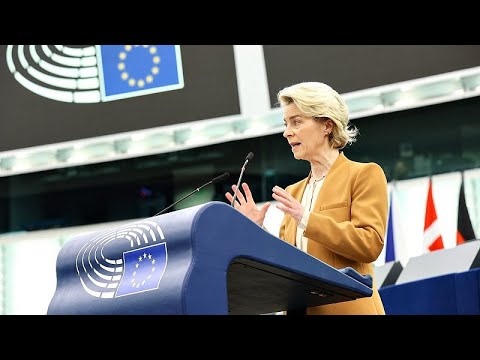
EU: Von der Leyen withdraws controversial pesticide law
EU: Prison for "paedophilia manuals" and child abuse forgeries
EU: 90% cut of all greenhouse gas emissions by 2040?

How is climate change spreading disease?

Business: Is it important to speak multiple languages?
Trump's return could leave Europe 'on its own'
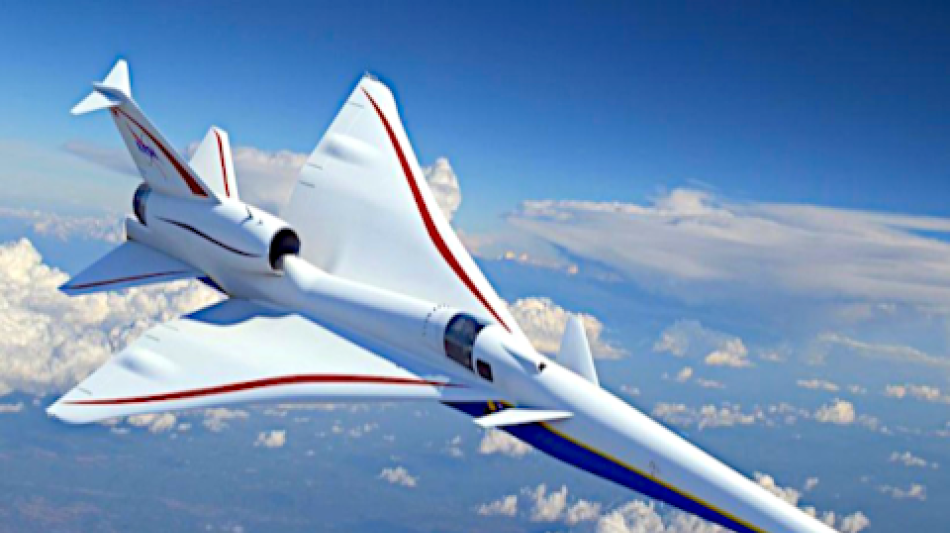
NASA and Lockheed partner present X-59 Quesst