-
 Myanmar junta seeks to prosecute hundreds for election 'disruption'
-
West Indies hope Christmas comes early in must-win New Zealand Test

-
 Knicks beat Spurs in NBA Cup final to end 52-year trophy drought
-
Khawaja revels in late lifeline as Australia 194-5 in 3rd Ashes Test

-
 Grief and fear as Sydney's Jewish community mourns 'Bondi rabbi'
-
Trump orders blockade of 'sanctioned' Venezuela oil tankers

-
 Brazil Senate to debate bill to slash Bolsonaro jail term
-
New Zealand ex-top cop avoids jail time for child abuse, bestiality offences

-
 Eurovision facing fractious 2026 as unity unravels
-
'Extremely exciting': the ice cores that could help save glaciers

-
 Asian markets drift as US jobs data fails to boost rate cut hopes
-
What we know about Trump's $10 billion BBC lawsuit

-
 Ukraine's lost generation caught in 'eternal lockdown'
-
'Catastrophic mismatch': Safety fears as Jake Paul faces Anthony Joshua

-
 Australia's Steve Smith ruled out of third Ashes Test
-
Khawaja grabs lifeline as Australia reach 94-2 in 3rd Ashes Test

-
 Undefeated boxing great Crawford announces retirement
-
Trump says orders blockade of 'sanctioned' Venezuela oil tankers

-
 UK experiences sunniest year on record
-
Australia holds first funeral for Bondi Beach attack victims

-
 FIFA announces $60 World Cup tickets after pricing backlash
-
Maresca relishes support of Chelsea fans after difficult week

-
 Nested Knowledge and Pharmacy Podcast Network Announce Strategic Collaboration to Advance Evidence-Based Podcasting in Healthcare
-
Players pay tribute to Bondi victims at Ashes Test

-
 Costa Rican president survives second Congress immunity vote
-
Married couple lauded for effort to thwart Bondi Beach shootings

-
 Australia holds first funerals for Bondi Beach attack victims
-
Trump has 'alcoholic's personality,' chief of staff says in bombshell interview

-
 Rob Reiner killing: son to be charged with double murder
-
Chelsea battle into League Cup semis to ease pressure on Maresca

-
 Netflix boss promises Warner Bros films would still be seen in cinemas
-
Grok spews misinformation about deadly Australia shooting

-
 Stocks mostly retreat on US jobs, oil drops on Ukraine hopes
-
Artificial snow woes for Milan-Cortina Winter Olympics organisers

-
 Trump imposes full travel bans on seven more countries, Palestinians
-
New Chile leader calls for end to Maduro 'dictatorship'

-
 Shiffrin extends slalom domination with Courchevel win
-
Doctor sentenced for supplying ketamine to 'Friends' star Perry

-
 Tepid 2026 outlook dents Pfizer shares
-
Rob Reiner murder: son not medically cleared for court

-
 FIFA announces $60 World Cup tickets for 'loyal fans'
-
Dembele and Bonmati scoop FIFA Best awards

-
 Shiffrin dominates first run in Courchevel slalom
-
EU weakens 2035 combustion-engine ban to boost car industry

-
 Arctic sees unprecedented heat as climate impacts cascade
-
French lawmakers adopt social security budget, suspend pension reform

-
 Afrikaners mark pilgrimage day, resonating with their US backers
-
Lawmakers grill Trump officials on US alleged drug boat strikes

-
 Hamraoui loses case against PSG over lack of support after attack
-
Trump - a year of ruling by executive order

NYSE - LSE
Iran's Ayatollahs the next to Fall?
Following the collapse of the Assad regime in Syria and the ascent of Hay’at Tahrir al-Sham (HTS) to power, questions are emerging about the broader regional impact of this seismic shift. One of the most debated scenarios is whether Iran—long an influential player in Syria—could soon face its own regime-shaking upheaval. Could the Islamic Republic’s Ayatollah be next in line to lose his grip on power?
Iran’s Deep Involvement in Syria
Iran has been a steadfast supporter of the former Assad government, providing military advisors, financing, and strategic counsel. For years, Iranian-backed militias played a critical role in propping up the Syrian regime against a multitude of opposition forces. With Assad’s fall, Tehran finds itself facing a new power structure in Damascus—one led by a group previously hostile to both the regime and its foreign backers.
Reduced Regional Influence
The loss of Assad may weaken Iran’s leverage in the Levant, limiting its ability to exert pressure on neighboring countries. A more extremist government in Damascus could seek to push out or marginalize Iranian influence to consolidate its own standing.
Strategic Setback
Iran’s “Shia Crescent” strategy, which sought to create a corridor of allied governments stretching from Tehran to the Mediterranean, appears severely compromised. This setback may embolden Iran’s adversaries at home and abroad, fueling the notion that Tehran’s regime could be similarly vulnerable.
Domestic Pressures in Iran
Even before events in Syria escalated, Iran’s leadership faced growing internal discontent. Public frustration with economic hardships, alleged corruption, and strict social controls has been an undercurrent for years, occasionally erupting into protests.
Economic Challenges
International sanctions have strained Iran’s economy. Unemployment and inflation add to widespread dissatisfaction, weakening the regime’s domestic legitimacy.
Protest Movements
Periodic demonstrations, sometimes met with harsh crackdowns, reveal a restive population demanding reforms. Younger Iranians, especially urban and educated demographics, often use social media to organize protests and call for greater freedoms.
Leadership Questions
Ayatollah Ali Khamenei’s advanced age has sparked debates about succession. Hardline factions and moderate reformists remain divided, raising the possibility of political instability if the supreme leader’s authority wavers.
Could HTS’s Victory Inspire Iranian Opposition?
The question many observers are asking: if a once-fringe, hardline group like HTS can topple a long-entrenched regime in Syria, might Iran’s leadership be more vulnerable than it appears?
Symbolic Resonance
Zhe collapse of Assad—a key ally—damages Tehran’s image of regional ascendancy. Opposition groups in Iran may see HTS’s triumph as a sign that even the most entrenched regimes can crumble under the right conditions.
Geopolitical Shifts
Regional players opposed to Iran’s influence may feel emboldened and offer covert support to Iranian dissidents. A shift in Damascus could reduce Tehran’s ability to move personnel, weapons, or resources across Syria, weakening its strategic depth.
Counterarguments: Why Iran May Weather the Storm
Despite these challenges, it is far from certain that Iran’s leadership is on the brink. The Islamic Republic has shown resilience over four decades, surviving international sanctions, internal protests, and regional conflicts.
Security Apparatus
Iran’s Revolutionary Guard Corps (IRGC) remains a potent force, adept at suppressing unrest. A widespread intelligence network monitors opposition activities, often preventing them from gaining traction.
Ideological Cohesion
Many Iranians still identify with the Islamic Republic’s revolutionary ideals. The regime’s ability to rally nationalist sentiment, especially in times of perceived foreign threats, should not be underestimated.
Lack of a Unified Opposition
Multiple opposition groups inside and outside Iran remain fractured, lacking a coherent leadership to mount a credible challenge. HTS’s ascension in Syria may not easily translate into a similar movement within Iran.
Conclusion: A Cautious Outlook
While the unexpected rise of HTS in Syria has undoubtedly rattled long-standing alliances, it is premature to conclude that Iran’s Ayatollah is next in line to lose power. Tehran’s regime, though facing economic challenges and public dissent, still possesses formidable tools of control and a legacy of resilience.
Yet the region’s shifting geopolitics, coupled with growing discontent at home, suggests that Iran’s leadership must navigate increasingly turbulent waters. If the aftermath of Syria’s transformation continues to erode Tehran’s regional standing, domestic opposition could be emboldened—setting the stage for potential change. Whether that will translate into a full-scale power shift remains uncertain, but the seeds of doubt are undeniably taking root.
Irish government to subsidise school books
European democracy is weakening, report warns
Low demand: electric vehicles clog Belgian port
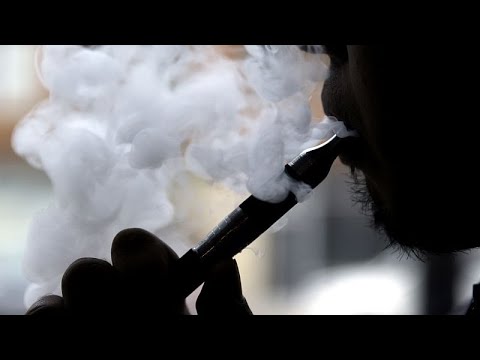
EU calls for tougher measures for a ‘tobacco-free generation’
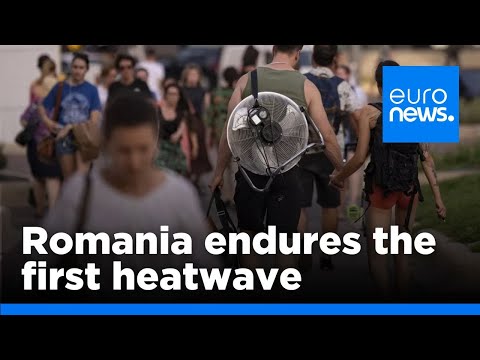
This Summer experiences Romania first heatwave

Mike Pence: U.S. will continue to support Ukraine

Activists organise "flotilla" with aid for Gaza

Holy souls on display at 2024 Venice Biennale

Brussels, my Love? EU-Market "sexy" for voters?

The great Cause: Biden-Harris 2024
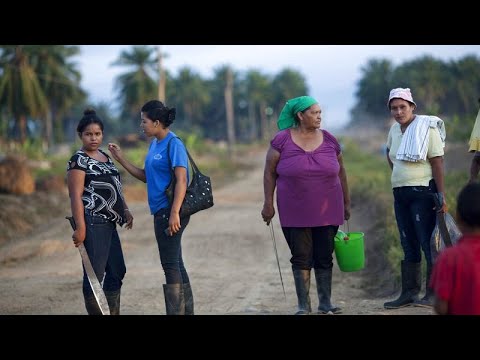
UN: Tackling gender inequality crucial to climate crisis