-
 Balkan nations offer lessons on handling cow virus sowing turmoil
-
French readers lap up Sarkozy's prison diaries

-
 UK PM warns Abramovich 'clock is ticking' over Chelsea sale fund
-
Warner Bros. Discovery rejects Paramount bid

-
 Winners of 2026 World Cup to pocket $50 million in prize money
-
World no. 1 Alcaraz ends 'incredible ride' with coach Ferrero

-
 World number one Alcaraz announces 'difficult' split with coach Ferrero
-
Iran boxer sentenced to death at 'imminent' risk of execution: rights groups

-
 Snicko operator admits error that led to Carey's Ashes reprieve
-
Finland PM apologises to Asian countries over MPs' mocking posts

-
 Doctors in England go on strike for 14th time
-
Romania journalists back media outlet that sparked graft protests

-
 Rob Reiner's son awaiting court appearance on murder charges
-
Ghana's Highlife finds its rhythm on UNESCO world stage

-
 Stocks gain as traders bet on interest rate moves
-
France probes 'foreign interference' after malware found on ferry

-
 Europe's Ariane 6 rocket puts EU navigation satellites in orbit
-
Bleak end to the year as German business morale drops

-
 Hundreds queue at Louvre museum as strike vote delays opening
-
Bondi shooting shocks, angers Australia's Jewish community

-
 Markets rise even as US jobs data fail to boost rate cut bets
-
Senegal talisman Mane overcame grief to become an African icon

-
 Carey pays tribute to late father after home Ashes century
-
'Many lessons to be learned' from Winter Games preparations, says ski chief

-
 Emotional Carey slams ton to give Australia upper hand in 3rd Ashes Test
-
Asian markets mixed as US jobs data fails to boost rate cut hopes

-
 Carey slams ton as Australia seize upper hand in third Ashes Test
-
Bondi shooting shocks, angers Australia Jewish community

-
 Myanmar junta seeks to prosecute hundreds for election 'disruption'
-
West Indies hope Christmas comes early in must-win New Zealand Test

-
 Knicks beat Spurs in NBA Cup final to end 52-year trophy drought
-
Khawaja revels in late lifeline as Australia 194-5 in 3rd Ashes Test

-
 Grief and fear as Sydney's Jewish community mourns 'Bondi rabbi'
-
Trump orders blockade of 'sanctioned' Venezuela oil tankers

-
 Brazil Senate to debate bill to slash Bolsonaro jail term
-
New Zealand ex-top cop avoids jail time for child abuse, bestiality offences

-
 Eurovision facing fractious 2026 as unity unravels
-
'Extremely exciting': the ice cores that could help save glaciers

-
 Asian markets drift as US jobs data fails to boost rate cut hopes
-
What we know about Trump's $10 billion BBC lawsuit

-
 Ukraine's lost generation caught in 'eternal lockdown'
-
'Catastrophic mismatch': Safety fears as Jake Paul faces Anthony Joshua

-
 Australia's Steve Smith ruled out of third Ashes Test
-
Khawaja grabs lifeline as Australia reach 94-2 in 3rd Ashes Test

-
 Undefeated boxing great Crawford announces retirement
-
Trump says orders blockade of 'sanctioned' Venezuela oil tankers

-
 UK experiences sunniest year on record
-
Australia holds first funeral for Bondi Beach attack victims

-
 FIFA announces $60 World Cup tickets after pricing backlash
-
Maresca relishes support of Chelsea fans after difficult week

NYSE - LSE
The Roman Empire and its downfall?
The fall of the Roman Empire has fascinated historians, political analysts, and history enthusiasts for centuries. Once an unparalleled power that stretched across much of Europe, North Africa, and the Middle East, Rome eventually succumbed to a complicated web of internal weaknesses and external pressures. But what factors most decisively contributed to its downfall?
Overextension and Resource Strain
One prominent reason for the Empire’s decline lies in its vast territorial expanse. As the Empire expanded, maintaining military and administrative control over far-flung provinces became an immense challenge. Garrisoning remote frontiers and sustaining essential infrastructure, such as roads and aqueducts, placed enormous financial and logistical burdens on the imperial administration. Over time, these obligations led to heightened taxation and social unrest, eroding the Empire’s stability from within.
Political Instability and Weak Leadership
Another fundamental weakness was Rome’s inability to establish a consistent and resilient political structure. Frequent coups, civil wars, and assassinations destabilised the imperial government. Short-lived emperors were often more focused on consolidating power and eliminating rivals than enacting long-term reforms. This lack of continuity in governance engendered bureaucratic inefficiency and thwarted coherent policymaking, leaving Rome ill-prepared to address growing internal and external threats.
Economic Decline and Hyperinflation
Economic disruptions also played a pivotal role. As wars grew costlier, silver coinage was devalued repeatedly, leading to rampant inflation. Confidence in the currency eroded, triggering a cycle of price increases and diminishing trade. Many farmers abandoned their land, amplifying rural depopulation and further undermining agricultural productivity. Trade routes, once the arteries of Roman commerce, became perilous, stifling economic growth and rendering the state increasingly vulnerable.
The Rise of External Threats
Simultaneously, external forces took advantage of Rome’s weakening grip. Germanic tribes and other barbarian groups pressed against the Empire’s borders, sensing the growing fragility of Roman power. Although Rome had once managed to integrate or repel these incursions, mounting economic strain and military overextension hindered an effective response. Over time, repeated invasions culminated in the sacking of Rome by the Visigoths in 410 CE and the eventual deposition of the last Western Roman Emperor in 476 CE.
Social and Cultural Transformation
Lastly, shifting social and cultural dynamics played a role. Traditional Roman values of civic duty and loyalty to the state gradually gave way to localised loyalties and a reliance on mercenary forces. The rise of Christianity, while not the sole cause of the Empire’s decline, reoriented cultural and political power away from older Roman institutions and towards the Church, reducing the emperors’ influence and the old civic order’s authority.
Conclusion No single event or factor can wholly explain the collapse of the Roman Empire. Rather, it was the convergence of overextension, economic instability, political turmoil, and shifting social foundations that led to Rome’s ultimate disintegration. While debates on the precise causes continue, most historians agree that the empire’s downfall underscores the fragile balance between power, governance, and societal cohesion—an enduring lesson for any ambitious political system.

ICC demands arrest of Russian officers

Europe and its "big" goals for clean hydrogen

Putin and the murder of Alexei Navalny (47†)

Measles: UK authorities call for vaccinate children

EU: Von der Leyen withdraws controversial pesticide law

EU: Prison for "paedophilia manuals" and child abuse forgeries
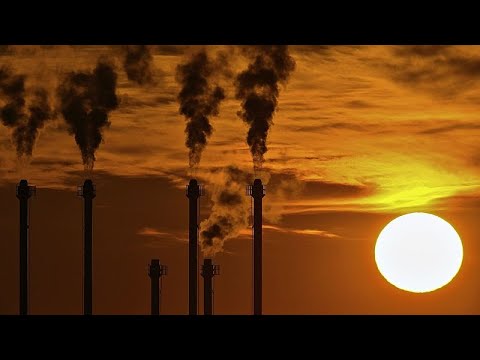
EU: 90% cut of all greenhouse gas emissions by 2040?

How is climate change spreading disease?

Business: Is it important to speak multiple languages?

Trump's return could leave Europe 'on its own'

NASA and Lockheed partner present X-59 Quesst