
-
 Cherki inspires Man City, Newcastle strike late to reach League Cup semis
-
Barcelona, Lyon and Chelsea reach Women's Champions League quarters

-
 Venezuela reacts defiantly to US oil blockade, claims exports unaffected
-
Nasdaq tumbles on renewed angst over AI building boom

-
 S.Africa expels Kenyans working on US Afrikaner 'refugee' applications
-
US Congress ends Syria sanctions

-
 Cherki inspires Man City cruise into League Cup semis
-
Billionaire Trump nominee confirmed to lead NASA amid Moon race

-
 Mahomes undergoes surgery, could return for 2026 opener: Chiefs
-
Melania Trump steps into spotlight in Amazon film trailer

-
 Brazil Senate advances bill that could cut Bolsonaro jail term
-
Safonov hero as PSG beat Flamengo in Intercontinental Cup

-
 Oscars to stream exclusively on YouTube from 2029
-
Oscars to stream exclusively on YouTube from 2029: Academy

-
 CNN's future unclear as Trump applies pressure
-
Brazil threatens to walk if EU delays Mercosur deal

-
 Zelensky says Russia preparing for new 'year of war'
-
Rob Reiner's son appears in court over parents' murder

-
 US Congress passes defense bill defying Trump anti-Europe rhetoric
-
Three Russia-themed anti-war films shortlisted for Oscars

-
 US oil blockade of Venezuela: what we know
-
Palace boss Glasner says contract talks on hold due to hectic schedule

-
 Netflix to launch FIFA World Cup video game
-
Venezuela says oil exports continue normally despite Trump 'blockade'

-
 German MPs approve 50 bn euros in military purchases
-
India v South Africa 4th T20 abandoned due to fog

-
 Hydrogen plays part in global warming: study
-
EU's Mercosur trade deal hits French, Italian roadblock

-
 What next for Belarus after US deal on prisoners, sanctions?
-
Brazil Senate debates bill that could slash Bolsonaro jail term

-
 Coe shares 'frustration' over marathon record despite Kenyan's doping ban
-
Stolen Bruce Lee statue 'returns' to Bosnia town

-
 Veteran Suarez signs new Inter Miami contract
-
Warner Bros rejects Paramount bid, sticks with Netflix

-
 Crude prices surge after Trump orders Venezuela oil blockade
-
Balkan nations offer lessons on handling cow virus sowing turmoil

-
 French readers lap up Sarkozy's prison diaries
-
UK PM warns Abramovich 'clock is ticking' over Chelsea sale fund

-
 Warner Bros. Discovery rejects Paramount bid
-
Winners of 2026 World Cup to pocket $50 million in prize money

-
 World no. 1 Alcaraz ends 'incredible ride' with coach Ferrero
-
World number one Alcaraz announces 'difficult' split with coach Ferrero

-
 Iran boxer sentenced to death at 'imminent' risk of execution: rights groups
-
Snicko operator admits error that led to Carey's Ashes reprieve

-
 Finland PM apologises to Asian countries over MPs' mocking posts
-
Doctors in England go on strike for 14th time

-
 Romania journalists back media outlet that sparked graft protests
-
Rob Reiner's son awaiting court appearance on murder charges

-
 Ghana's Highlife finds its rhythm on UNESCO world stage
-
Stocks gain as traders bet on interest rate moves

NYSE - LSE
Next Chancellor of Germany and Trump
Germany’s political landscape shifted decisively with the federal election on 23 February 2025, propelling Friedrich Merz, leader of the Christian Democratic Union (CDU), into the position of the nation’s next chancellor. As he prepares to form a coalition government, likely with the Social Democratic Party (SPD), Merz has signalled a bold foreign policy stance: a willingness to confront United States President Donald Trump, particularly over the contentious issue of Ukraine. This emerging transatlantic tension promises to redefine Germany’s role on the global stage.
A new german Leader with a clear Vision?
Merz’s victory, securing approximately 28.5% of the vote for the CDU/CSU alliance, marks a return to conservative leadership following years of coalition governance under Angela Merkel and, more recently, Olaf Scholz. With the Alternative für Deutschland (AfD) gaining 20% and the SPD trailing at 16.5%, Merz faces the task of uniting a fragmented Bundestag. Preliminary estimates suggest the CDU/CSU will hold around 179 seats, necessitating a partnership with the SPD (104 seats) and possibly the Greens (73 seats) to achieve the 316-seat majority required.
The chancellor-in-waiting has wasted no time in outlining his priorities. While congratulating Trump on his inauguration on 20 January 2025 with a handwritten letter—a gesture of diplomatic courtesy—Merz has made it clear that he will not shy away from challenging the American president where their views diverge.
The Ukraine Flashpoint:
At the heart of this anticipated confrontation lies Ukraine. Merz has been an outspoken advocate for robust European support for Kyiv, a position he underscored during a visit to President Volodymyr Zelensky in May 2022. His criticism of Trump’s rhetoric, which he has described as echoing Russian narratives, reveals a stark divide. In a recent interview Merz expressed dismay at Trump’s apparent indifference to European security concerns, labelling it a “classic case of blaming the victim.” This stance contrasts sharply with Trump’s reported inclination to pursue rapprochement with Russia, a policy that has alarmed many in Europe.
Merz’s commitment to Ukraine is not merely rhetorical. He has pledged to bolster Germany’s defence spending and has floated the idea of a new European defence alliance, potentially as an alternative to NATO, should transatlantic cooperation falter under Trump’s leadership. Such proposals reflect a broader ambition to enhance Europe’s strategic autonomy—a move that could strain relations with Washington.
Balancing Confrontation with Cooperation:
Despite his readiness to challenge Trump, Merz is not advocating for a complete rupture. In an interview last November, he emphasised the importance of “deals” with the United States, particularly in trade and economic matters, that could benefit both sides. This pragmatic streak suggests that while Merz may clash with Trump over security policy, he seeks to maintain a functional relationship in other domains. Germany, as Europe’s economic powerhouse, cannot afford to alienate its largest transatlantic partner entirely.
Implications for Transatlantic Ties:
Merz’s leadership arrives at a pivotal moment. Trump’s return to the White House has rekindled debates about the reliability of American commitments to Europe, especially within NATO. By positioning Germany as a counterweight to Trump’s policies, Merz could catalyse a shift towards a more assertive European Union—one less dependent on U.S. direction. His plans to increase defence collaboration among EU nations signal a long-term vision that may outlast transatlantic spats.
Yet, this approach carries risks. A public confrontation with Trump could exacerbate divisions within NATO and embolden critics of European unity, such as the AfD, which has capitalised on anti-establishment sentiment. Merz must navigate these domestic and international pressures with care.
Conclusion:
As Friedrich Merz prepares to assume the chancellorship, his intention to confront Donald Trump over Ukraine heralds a new chapter in German foreign policy. Rooted in a commitment to European security and independence, his stance promises to test the resilience of transatlantic relations. Whether this leads to a lasting realignment or a pragmatic compromise remains to be seen, but one thing is certain: Germany’s next chancellor is poised to make his mark on the world stage.
A new german Leader with a clear Vision?
Merz’s victory, securing approximately 28.5% of the vote for the CDU/CSU alliance, marks a return to conservative leadership following years of coalition governance under Angela Merkel and, more recently, Olaf Scholz. With the Alternative für Deutschland (AfD) gaining 20% and the SPD trailing at 16.5%, Merz faces the task of uniting a fragmented Bundestag. Preliminary estimates suggest the CDU/CSU will hold around 179 seats, necessitating a partnership with the SPD (104 seats) and possibly the Greens (73 seats) to achieve the 316-seat majority required.
The chancellor-in-waiting has wasted no time in outlining his priorities. While congratulating Trump on his inauguration on 20 January 2025 with a handwritten letter—a gesture of diplomatic courtesy—Merz has made it clear that he will not shy away from challenging the American president where their views diverge.
The Ukraine Flashpoint:
At the heart of this anticipated confrontation lies Ukraine. Merz has been an outspoken advocate for robust European support for Kyiv, a position he underscored during a visit to President Volodymyr Zelensky in May 2022. His criticism of Trump’s rhetoric, which he has described as echoing Russian narratives, reveals a stark divide. In a recent interview Merz expressed dismay at Trump’s apparent indifference to European security concerns, labelling it a “classic case of blaming the victim.” This stance contrasts sharply with Trump’s reported inclination to pursue rapprochement with Russia, a policy that has alarmed many in Europe.
Merz’s commitment to Ukraine is not merely rhetorical. He has pledged to bolster Germany’s defence spending and has floated the idea of a new European defence alliance, potentially as an alternative to NATO, should transatlantic cooperation falter under Trump’s leadership. Such proposals reflect a broader ambition to enhance Europe’s strategic autonomy—a move that could strain relations with Washington.
Balancing Confrontation with Cooperation:
Despite his readiness to challenge Trump, Merz is not advocating for a complete rupture. In an interview last November, he emphasised the importance of “deals” with the United States, particularly in trade and economic matters, that could benefit both sides. This pragmatic streak suggests that while Merz may clash with Trump over security policy, he seeks to maintain a functional relationship in other domains. Germany, as Europe’s economic powerhouse, cannot afford to alienate its largest transatlantic partner entirely.
Implications for Transatlantic Ties:
Merz’s leadership arrives at a pivotal moment. Trump’s return to the White House has rekindled debates about the reliability of American commitments to Europe, especially within NATO. By positioning Germany as a counterweight to Trump’s policies, Merz could catalyse a shift towards a more assertive European Union—one less dependent on U.S. direction. His plans to increase defence collaboration among EU nations signal a long-term vision that may outlast transatlantic spats.
Yet, this approach carries risks. A public confrontation with Trump could exacerbate divisions within NATO and embolden critics of European unity, such as the AfD, which has capitalised on anti-establishment sentiment. Merz must navigate these domestic and international pressures with care.
Conclusion:
As Friedrich Merz prepares to assume the chancellorship, his intention to confront Donald Trump over Ukraine heralds a new chapter in German foreign policy. Rooted in a commitment to European security and independence, his stance promises to test the resilience of transatlantic relations. Whether this leads to a lasting realignment or a pragmatic compromise remains to be seen, but one thing is certain: Germany’s next chancellor is poised to make his mark on the world stage.
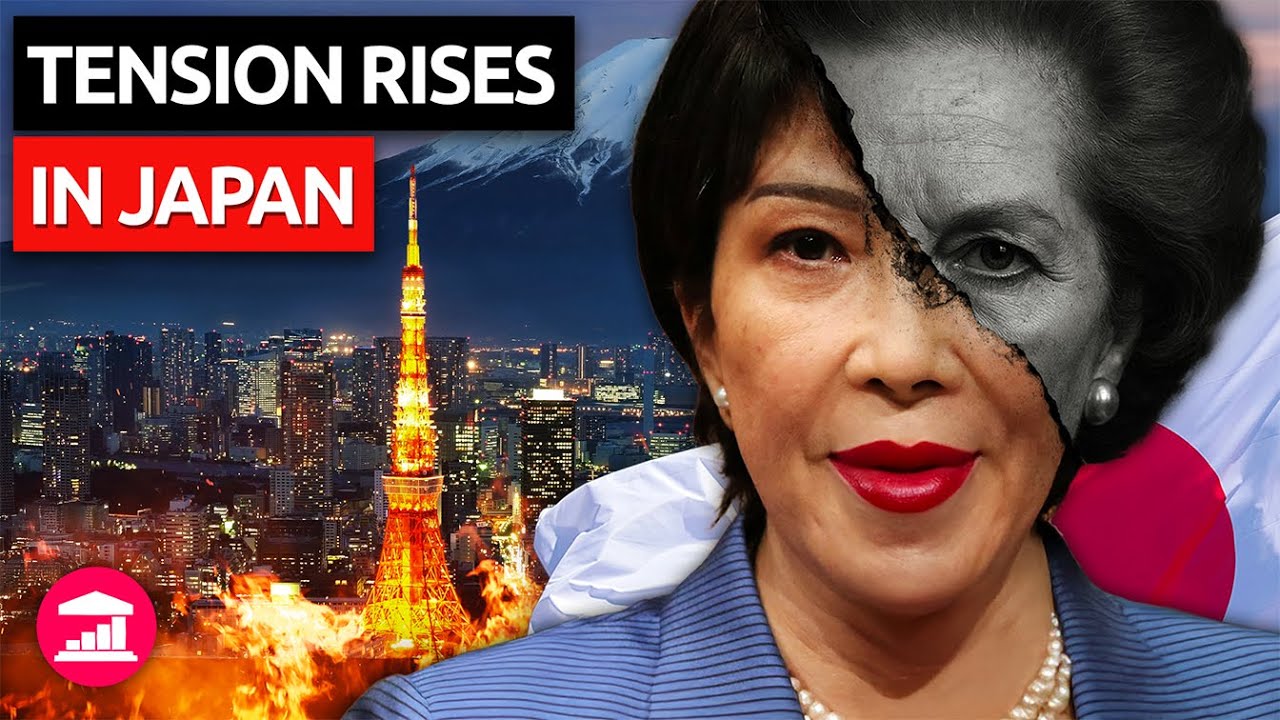
A new vision for Japan

The Fall of South Korea?
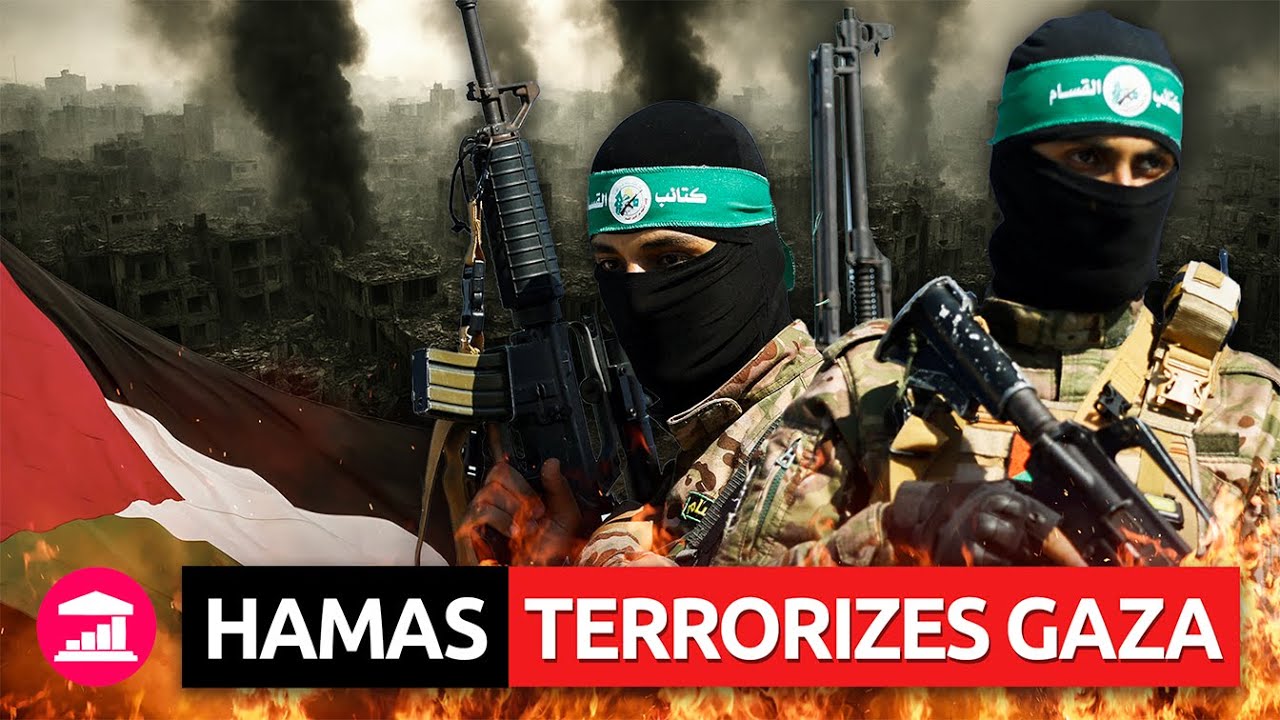
Gaza on the cusp of civil war
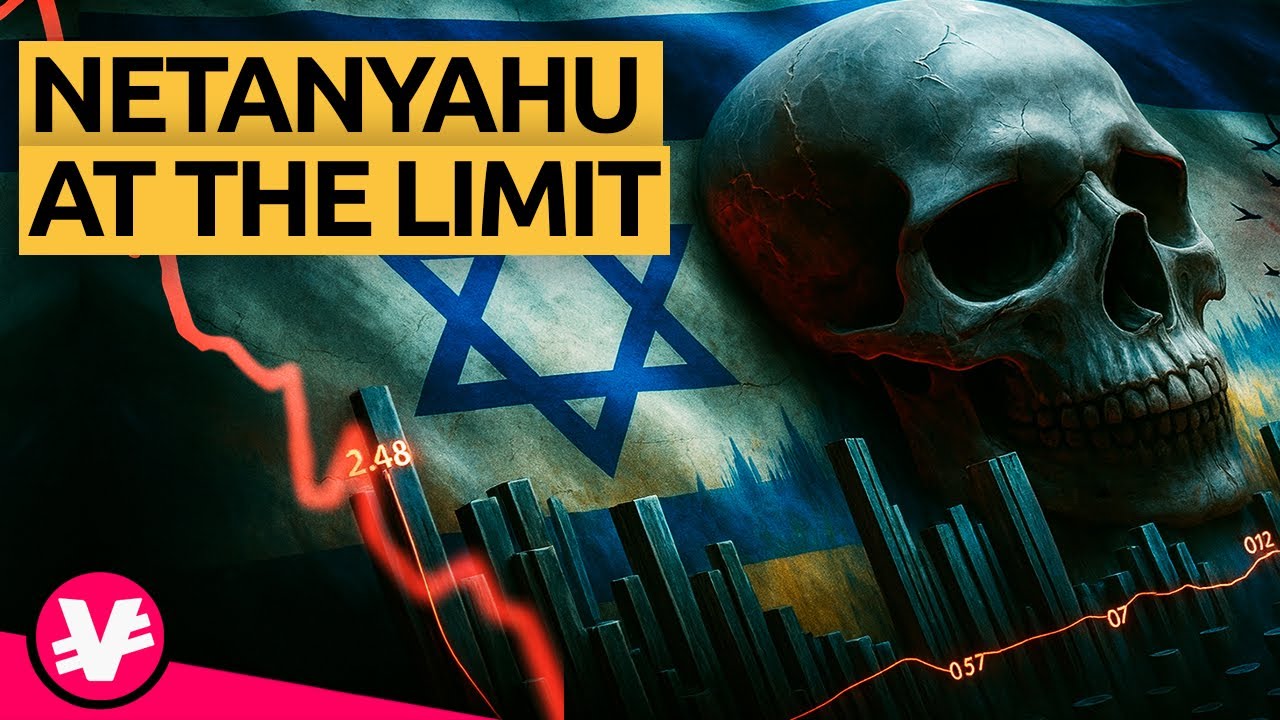
Israel: Economy on the edge
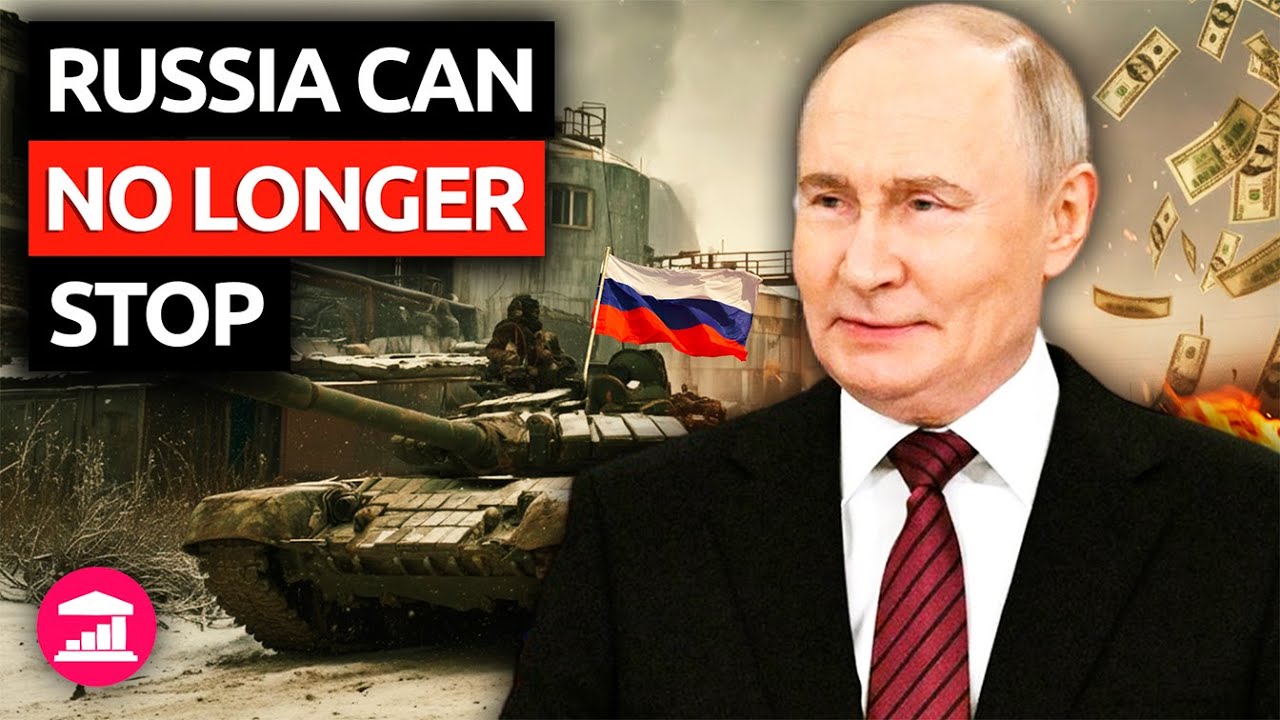
Why Russia can’t end war

Rare Earth Standoff

Tanks in Gaza - Hopes dim?
Poland trusts only hard Power
Cuba's hunger Crisis deepens
How Swiss Stocks tamed Prices

Russia's Drone ploy in Poland



