
-
 Myanmar junta seeks to prosecute hundreds for election 'disruption'
-
West Indies hope Christmas comes early in must-win New Zealand Test

-
 Knicks beat Spurs in NBA Cup final to end 52-year trophy drought
-
Khawaja revels in late lifeline as Australia 194-5 in 3rd Ashes Test

-
 Grief and fear as Sydney's Jewish community mourns 'Bondi rabbi'
-
Trump orders blockade of 'sanctioned' Venezuela oil tankers

-
 Brazil Senate to debate bill to slash Bolsonaro jail term
-
New Zealand ex-top cop avoids jail time for child abuse, bestiality offences

-
 Eurovision facing fractious 2026 as unity unravels
-
'Extremely exciting': the ice cores that could help save glaciers

-
 Asian markets drift as US jobs data fails to boost rate cut hopes
-
What we know about Trump's $10 billion BBC lawsuit

-
 Ukraine's lost generation caught in 'eternal lockdown'
-
'Catastrophic mismatch': Safety fears as Jake Paul faces Anthony Joshua

-
 Australia's Steve Smith ruled out of third Ashes Test
-
Khawaja grabs lifeline as Australia reach 94-2 in 3rd Ashes Test

-
 Undefeated boxing great Crawford announces retirement
-
Trump says orders blockade of 'sanctioned' Venezuela oil tankers

-
 UK experiences sunniest year on record
-
Australia holds first funeral for Bondi Beach attack victims

-
 FIFA announces $60 World Cup tickets after pricing backlash
-
Maresca relishes support of Chelsea fans after difficult week

-
 Nested Knowledge and Pharmacy Podcast Network Announce Strategic Collaboration to Advance Evidence-Based Podcasting in Healthcare
-
Players pay tribute to Bondi victims at Ashes Test

-
 Costa Rican president survives second Congress immunity vote
-
Married couple lauded for effort to thwart Bondi Beach shootings

-
 Australia holds first funerals for Bondi Beach attack victims
-
Trump has 'alcoholic's personality,' chief of staff says in bombshell interview

-
 Rob Reiner killing: son to be charged with double murder
-
Chelsea battle into League Cup semis to ease pressure on Maresca

-
 Netflix boss promises Warner Bros films would still be seen in cinemas
-
Grok spews misinformation about deadly Australia shooting

-
 Stocks mostly retreat on US jobs, oil drops on Ukraine hopes
-
Artificial snow woes for Milan-Cortina Winter Olympics organisers

-
 Trump imposes full travel bans on seven more countries, Palestinians
-
New Chile leader calls for end to Maduro 'dictatorship'

-
 Shiffrin extends slalom domination with Courchevel win
-
Doctor sentenced for supplying ketamine to 'Friends' star Perry

-
 Tepid 2026 outlook dents Pfizer shares
-
Rob Reiner murder: son not medically cleared for court

-
 FIFA announces $60 World Cup tickets for 'loyal fans'
-
Dembele and Bonmati scoop FIFA Best awards

-
 Shiffrin dominates first run in Courchevel slalom
-
EU weakens 2035 combustion-engine ban to boost car industry

-
 Arctic sees unprecedented heat as climate impacts cascade
-
French lawmakers adopt social security budget, suspend pension reform

-
 Afrikaners mark pilgrimage day, resonating with their US backers
-
Lawmakers grill Trump officials on US alleged drug boat strikes

-
 Hamraoui loses case against PSG over lack of support after attack
-
Trump - a year of ruling by executive order

NYSE - LSE
Wealth that Brazil is not utilizing!
Brazil, a nation endowed with staggering natural riches, stands as one of the world’s great paradoxes: a land of immense wealth that it struggles to harness effectively. From the sprawling Amazon rainforest to vast mineral deposits and a coastline teeming with potential, the country possesses resources that could propel it to economic superpower status. Yet, persistent challenges—mismanagement, environmental degradation, and entrenched inequality—continue to stymie its ability to translate this bounty into sustainable prosperity. As global demand for green energy and rare minerals surges, Brazil’s untapped potential remains both a tantalising opportunity and a frustrating enigma.
A Treasure Trove of Resources:
Few nations rival Brazil’s natural endowment. The Amazon, covering nearly 60% of the country, is not only the planet’s largest carbon sink but also a repository of biodiversity, with untold species that could yield breakthroughs in medicine and agriculture. Beneath its soil lie some of the world’s richest reserves of iron ore, bauxite, and niobium—a metal critical for aerospace and electronics, of which Brazil supplies over 90% of global demand. Offshore, the pre-salt oil fields, discovered in 2006, hold an estimated 50 billion barrels, positioning Brazil as a top-tier petroleum producer. Add to this fertile lands that make it an agricultural giant—exporting soy, beef, and coffee—and the scale of its wealth becomes clear.
This abundance is no secret. In 2024, Brazil’s exports reached $330 billion, driven by commodities like iron ore ($47 billion) and crude oil ($39 billion), according to government data. Yet, these figures belie a deeper truth: the nation reaps only a fraction of the value its resources could command if harnessed strategically.
The Curse of Mismanagement:
Brazil’s failure to capitalise fully on its wealth is rooted in a litany of self-inflicted wounds. Corruption scandals, such as the Lava Jato (Car Wash) investigation, have siphoned billions from state coffers, notably from Petrobras, the national oil company. Infrastructure woes compound the problem: crumbling roads and inadequate ports inflate transport costs, rendering exports less competitive. A 2024 World Bank report estimated that logistical inefficiencies cost Brazil up to 5% of its GDP annually—roughly $100 billion.
The Amazon exemplifies this squandered potential. While its preservation is vital for global climate goals, illegal logging and mining—often abetted by lax enforcement—devastated 11,088 square kilometres in 2023 alone, per Brazil’s National Institute for Space Research. Rather than leveraging its forests for carbon credits or sustainable bio-industries, Brazil loses both ecological and economic ground. President Luiz Inácio Lula da Silva, re-elected in 2022, pledged to halt deforestation by 2030, yet progress remains sluggish, hampered by political resistance and budget constraints.
Missed Opportunities in the Green Boom:
As the world races towards net-zero emissions, Brazil’s resources align uncannily with global needs. Lithium and rare earth elements, essential for batteries and renewable technologies, abound in states like Minas Gerais, yet extraction lags behind leaders like Australia and China due to regulatory hurdles and underinvestment. The International Energy Agency projects demand for lithium to rise tenfold by 2040, yet Brazil’s output remains a trickle—less than 1% of the global total in 2024.
Hydropower, which supplies 60% of Brazil’s electricity, and untapped wind and solar potential could make it a renewable energy titan. The northeast’s windy coastlines boast some of the world’s highest capacity factors for wind farms, yet bureaucratic delays and a creaking grid deter investors. A 2024 study by the Brazilian Wind Energy Association estimated that tripling wind capacity by 2030 could create 200,000 jobs and add $20 billion to GDP—but only with bold reforms.
Inequality and Economic Stagnation:
Wealth in Brazil flows unevenly. The richest 1% control nearly 50% of national income, while 33 million people faced hunger in 2023, according to Oxfam. Commodity booms enrich agribusiness elites and mining firms, yet little trickles down to the broader population. Education, critical for a knowledge-based economy, languishes: Brazil ranks 60th in the OECD’s PISA assessments, hobbling its ability to innovate beyond raw resource extraction.
Economic growth has flatlined, averaging just 0.9% annually from 2011 to 2023. The real, Brazil’s currency, weakened by 15% against the dollar in 2024, reflecting investor unease over fiscal deficits and political gridlock. While competitors like Indonesia diversify into manufacturing, Brazil remains tethered to primary goods, exporting iron ore but importing steel—a failure to climb the value chain.
A Path Forward?
Solutions exist, but require political will. Streamlining bureaucracy could unlock billions in foreign investment, as seen with the $4 billion Vale mining project approved in 2024 after years of delays. Tax incentives for sustainable industries—such as eco-tourism or bio-pharmaceuticals—could tap the Amazon’s potential without razing it. Education reform, paired with vocational training, might equip Brazilians to process their own resources, rather than shipping them abroad raw.
Lula’s administration has hinted at such ambitions, unveiling a $350 million green transition fund in January 2025. Yet, with Congress fractured and state governments at odds, execution falters. On X, commentators lament “a nation asleep on a goldmine,” a sentiment echoed by economists who warn that without reform, Brazil risks becoming a resource-rich relic in a fast-evolving world.
Conclusion:
Brazil’s formidable wealth is both a blessing and a burden. Its resources could fuel a prosperous, sustainable future, yet decades of mismanagement and missed chances have left it punching below its weight. As global demand shifts towards green technologies, the window to harness this potential narrows. Whether Brazil awakens to its own richness—or remains mired in inertia—will define its place in the 21st century.
A new vision for Japan

The Fall of South Korea?

Gaza on the cusp of civil war
Israel: Economy on the edge
Why Russia can’t end war
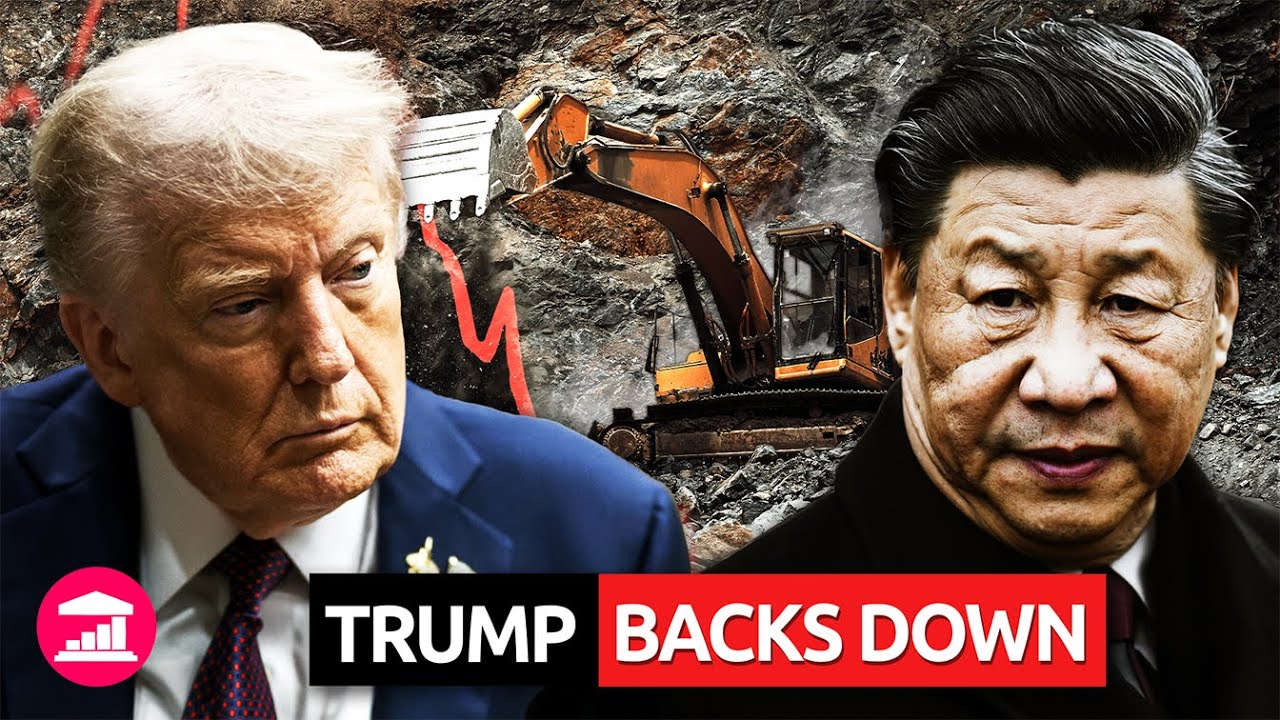
Rare Earth Standoff
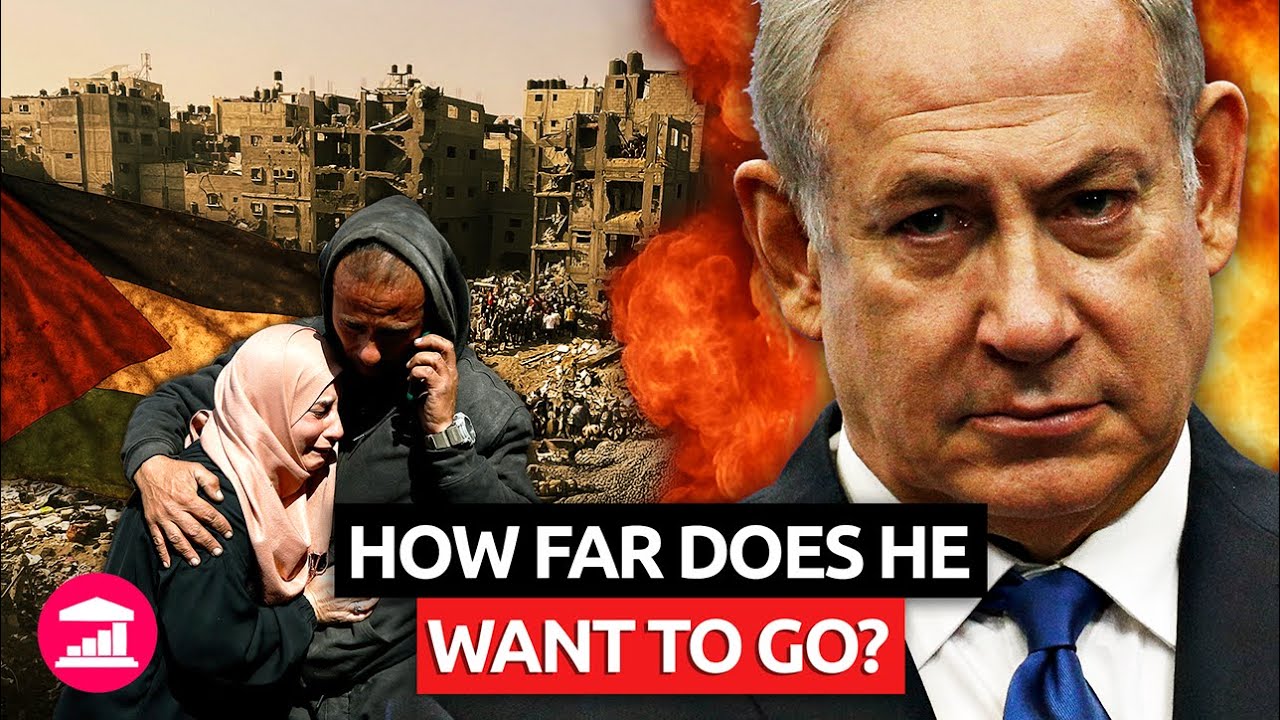
Tanks in Gaza - Hopes dim?

Poland trusts only hard Power
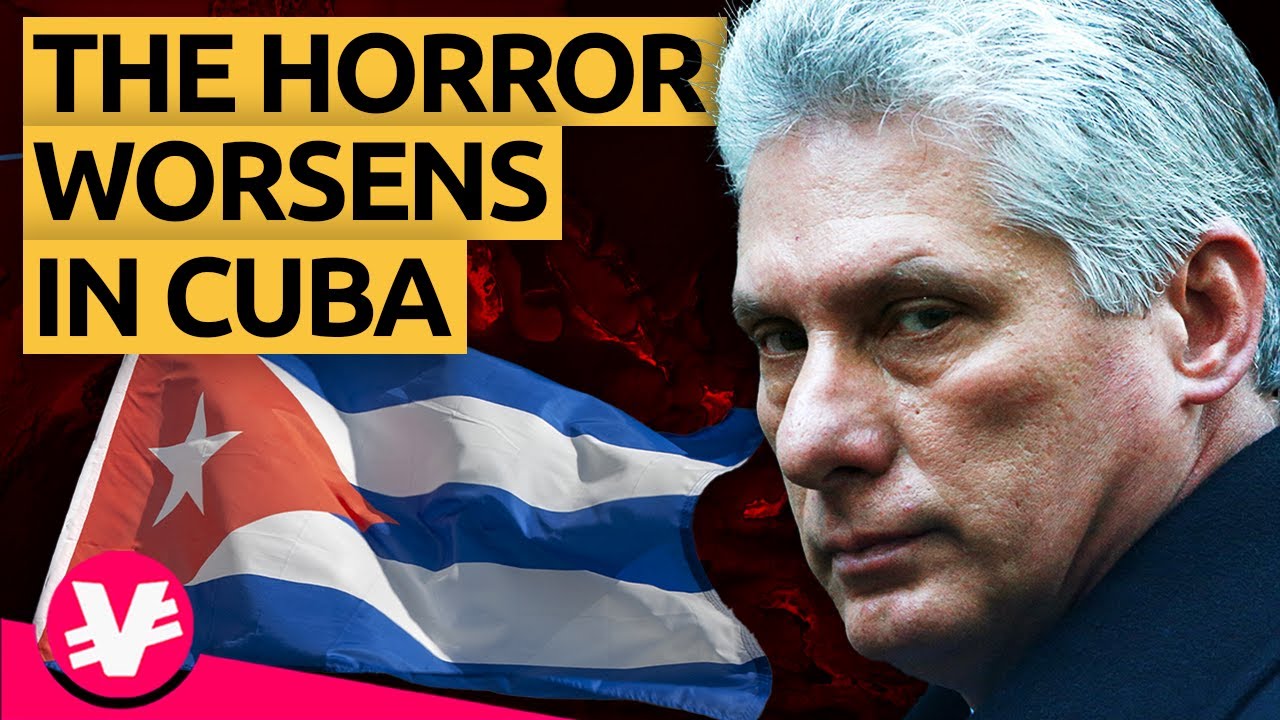
Cuba's hunger Crisis deepens
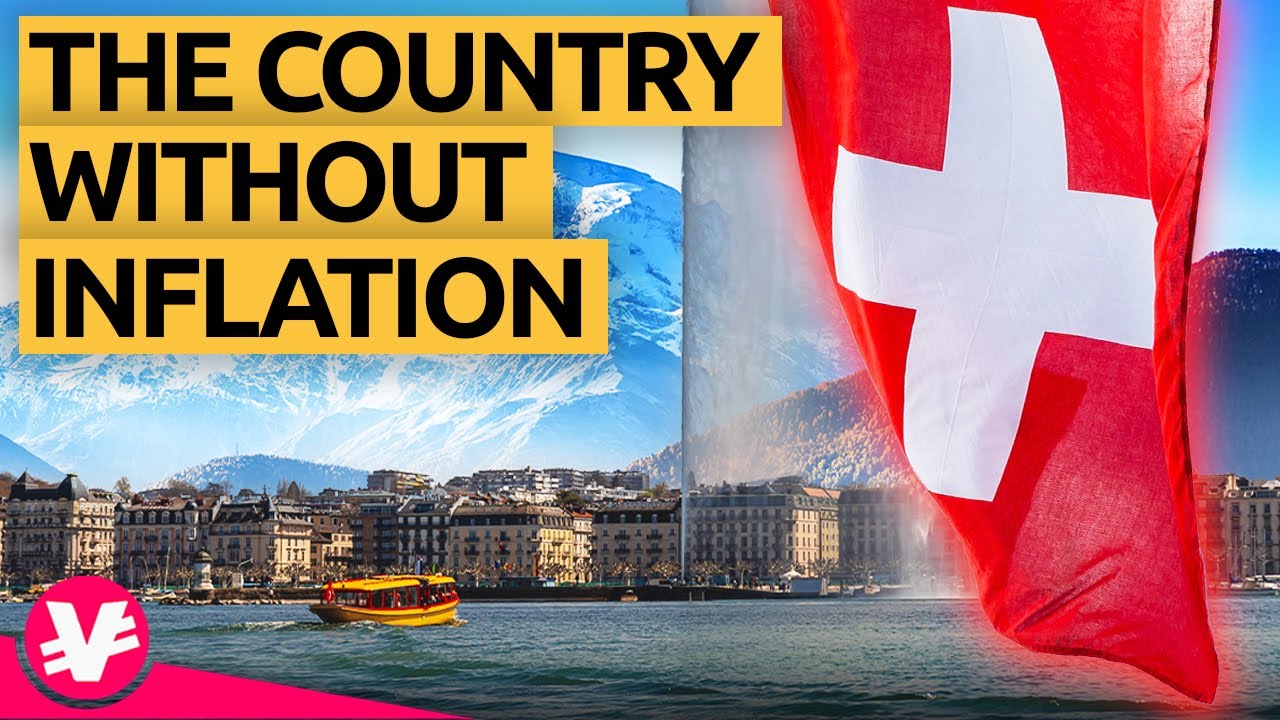
How Swiss Stocks tamed Prices

Russia's Drone ploy in Poland



