-
 Cherki inspires Man City, Newcastle strike late to reach League Cup semis
-
Barcelona, Lyon and Chelsea reach Women's Champions League quarters

-
 Venezuela reacts defiantly to US oil blockade, claims exports unaffected
-
Nasdaq tumbles on renewed angst over AI building boom

-
 S.Africa expels Kenyans working on US Afrikaner 'refugee' applications
-
US Congress ends Syria sanctions

-
 Cherki inspires Man City cruise into League Cup semis
-
Billionaire Trump nominee confirmed to lead NASA amid Moon race

-
 Mahomes undergoes surgery, could return for 2026 opener: Chiefs
-
Melania Trump steps into spotlight in Amazon film trailer

-
 Brazil Senate advances bill that could cut Bolsonaro jail term
-
Safonov hero as PSG beat Flamengo in Intercontinental Cup

-
 Oscars to stream exclusively on YouTube from 2029
-
Oscars to stream exclusively on YouTube from 2029: Academy

-
 CNN's future unclear as Trump applies pressure
-
Brazil threatens to walk if EU delays Mercosur deal

-
 Zelensky says Russia preparing for new 'year of war'
-
Rob Reiner's son appears in court over parents' murder

-
 US Congress passes defense bill defying Trump anti-Europe rhetoric
-
Three Russia-themed anti-war films shortlisted for Oscars

-
 US oil blockade of Venezuela: what we know
-
Palace boss Glasner says contract talks on hold due to hectic schedule

-
 Netflix to launch FIFA World Cup video game
-
Venezuela says oil exports continue normally despite Trump 'blockade'

-
 German MPs approve 50 bn euros in military purchases
-
India v South Africa 4th T20 abandoned due to fog

-
 Hydrogen plays part in global warming: study
-
EU's Mercosur trade deal hits French, Italian roadblock

-
 What next for Belarus after US deal on prisoners, sanctions?
-
Brazil Senate debates bill that could slash Bolsonaro jail term

-
 Coe shares 'frustration' over marathon record despite Kenyan's doping ban
-
Stolen Bruce Lee statue 'returns' to Bosnia town

-
 Veteran Suarez signs new Inter Miami contract
-
Warner Bros rejects Paramount bid, sticks with Netflix

-
 Crude prices surge after Trump orders Venezuela oil blockade
-
Balkan nations offer lessons on handling cow virus sowing turmoil

-
 French readers lap up Sarkozy's prison diaries
-
UK PM warns Abramovich 'clock is ticking' over Chelsea sale fund

-
 Warner Bros. Discovery rejects Paramount bid
-
Winners of 2026 World Cup to pocket $50 million in prize money

-
 World no. 1 Alcaraz ends 'incredible ride' with coach Ferrero
-
World number one Alcaraz announces 'difficult' split with coach Ferrero

-
 Iran boxer sentenced to death at 'imminent' risk of execution: rights groups
-
Snicko operator admits error that led to Carey's Ashes reprieve

-
 Finland PM apologises to Asian countries over MPs' mocking posts
-
Doctors in England go on strike for 14th time

-
 Romania journalists back media outlet that sparked graft protests
-
Rob Reiner's son awaiting court appearance on murder charges

-
 Ghana's Highlife finds its rhythm on UNESCO world stage
-
Stocks gain as traders bet on interest rate moves

NYSE - LSE
Rebellion against Trump: "Ready for War?"
Donald Trump’s re-ascension to the U.S. presidency in January 2025 has sparked a series of protests and statements of defiance across multiple continents, with some activists and commentators adopting the provocative slogan, "We are ready for war." While the phrase has gained traction among certain groups, it remains a symbolic expression of opposition rather than a literal call to arms, rooted in concerns over Trump’s policies and their global implications.
The unrest began shortly after Trump’s inauguration on 20 January 2025, when he reinstated his "America First" doctrine, announcing plans to withdraw from the Paris Climate Agreement for a second time and impose tariffs on European and Chinese goods. In response, demonstrations erupted in several major cities. On 25 January, an estimated 10,000 people gathered in Paris, according to French police figures, where activist Élise Moreau, a known figure in the climate movement, coined the phrase "We are ready for war" during a speech outside the U.S. Embassy. Moreau clarified in a later interview with Le Monde that her words were metaphorical, intended to signify "a battle of ideas and values" against what she called Trump’s "anti-globalist agenda."
In Europe, the backlash has been particularly pronounced. On 3 February, Berlin saw a protest of 8,000 people, per German authorities, with banners reading "Nein zu Trump" ("No to Trump") and demands for the European Union to strengthen its autonomy from U.S. influence. The German Foreign Ministry issued a statement on 5 February, expressing "concern" over Trump’s proposed NATO funding cuts, which he reiterated in a speech on 1 February in Florida, threatening to reduce U.S. contributions unless allies increased their defence spending.
Across the Channel, the United Kingdom has also witnessed dissent. On 10 March, approximately 5,000 protesters marched through London, according to Metropolitan Police estimates, organised by a coalition of environmental and human rights groups. Labour MP Zara Khan addressed the crowd, criticising Trump’s tariff threats, which the UK Treasury warned could cost British exporters £2 billion annually based on 2024 trade data. Khan called for "resolute opposition" but avoided endorsing the "war" rhetoric directly.
In Asia, reactions have been more restrained but no less significant. South Korea’s Ministry of Foreign Affairs expressed "deep unease" on 15 February after Trump suggested renegotiating the U.S.-South Korea Free Trade Agreement, a move analysts say could disrupt Seoul’s economy, which exported $84 billion in goods to the U.S. in 2024, per Korea Customs Service data. Meanwhile, in Japan, a small demonstration of 300 people occurred in Tokyo on 20 February, according to local police, with participants citing fears over Trump’s hints at reducing U.S. troop presence in the region, as reported by The Japan Times.
Trump has dismissed the international criticism. At a rally in Ohio on 12 March, attended by an estimated 15,000 supporters per local officials, he labelled the protests "a tantrum by sore losers" and vowed to prioritise American interests "no matter the noise from abroad." His administration has yet to respond formally to the growing unrest, though White House Press Secretary John Carter stated on 16 March that "the president welcomes dialogue with allies" but will not bow to external pressure.
Experts caution against overinterpreting the "war" rhetoric. Dr. Maria Costa, a political scientist at the University of Oxford, told this publication, "The phrase is a hyperbolic signal of frustration, not a policy proposal. It reflects genuine fears about trade wars, climate inaction, and geopolitical instability." Data from the World Trade Organization supports some of these concerns, projecting that Trump’s proposed 20% tariffs could reduce global trade volume by 1.5% in 2026 if implemented.
As of now, no official coordinated international response has emerged, though activists are planning a "Global Day of Action" on 1 April, with events scheduled in at least 12 cities worldwide, according to organisers’ statements on X. Governments, meanwhile, appear focused on diplomacy. French President Emmanuel Macron and German Chancellor Anna Berger are set to meet U.S. Secretary of State Michael Hayes in Brussels next week to discuss NATO and trade, per a 17 March EU press release.
While the "rebellion" remains largely symbolic, its scale and intensity underscore the polarising impact of Trump’s leadership on the global stage. Whether it evolves into a substantive challenge or fades as rhetoric will depend on the actions of both his administration and the international community in the months ahead.
Vladimir Putin, War criminal and Dictator of Russia
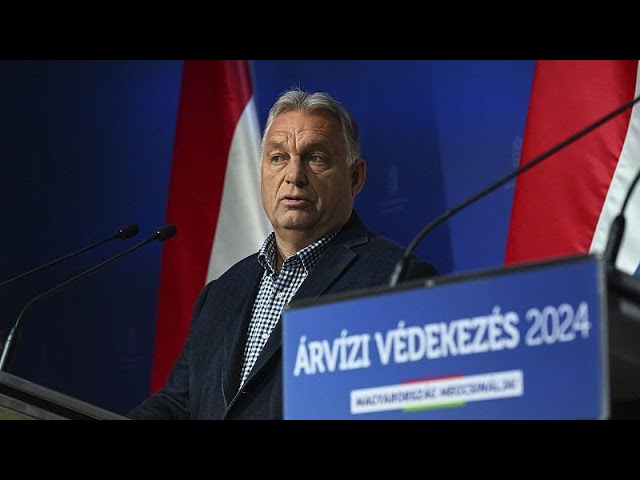
EU vs. Hungary: Lawsuit over ‘national sovereignty’ law
Ukraine: Zelenskyy appeals for international aid
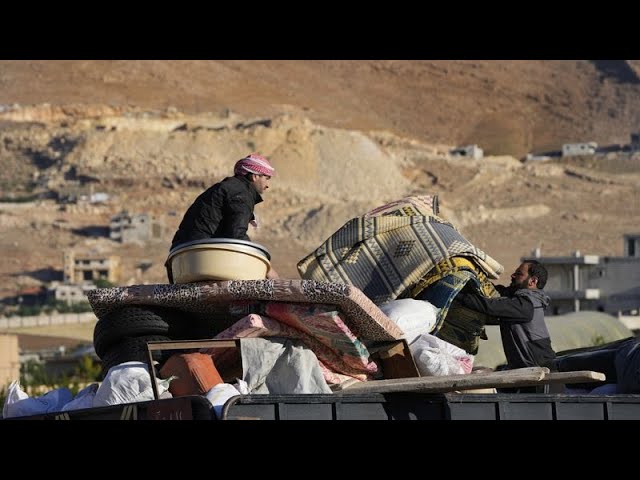
Lebanon: Is a new wave of refugees coming to the EU?
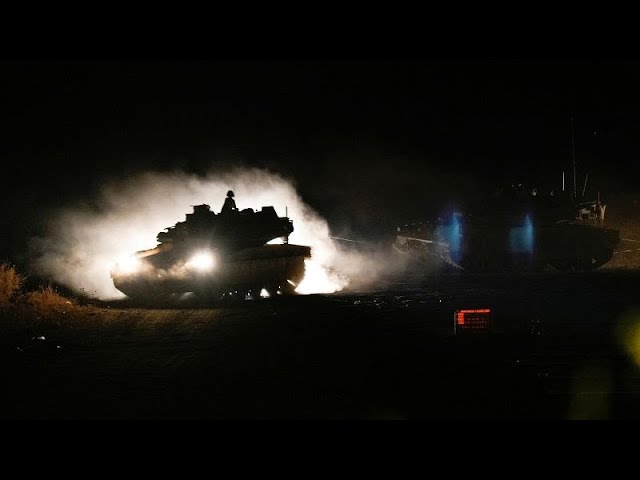
Terrorist state Iran attacks Israel with missiles
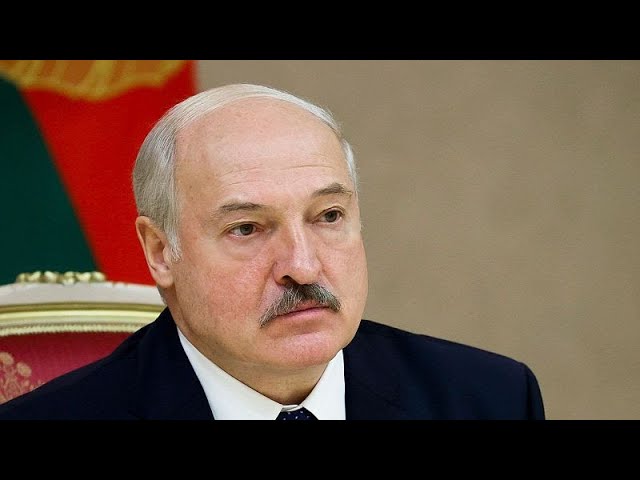
Belarus: ICC investigates dictator Lukashenko
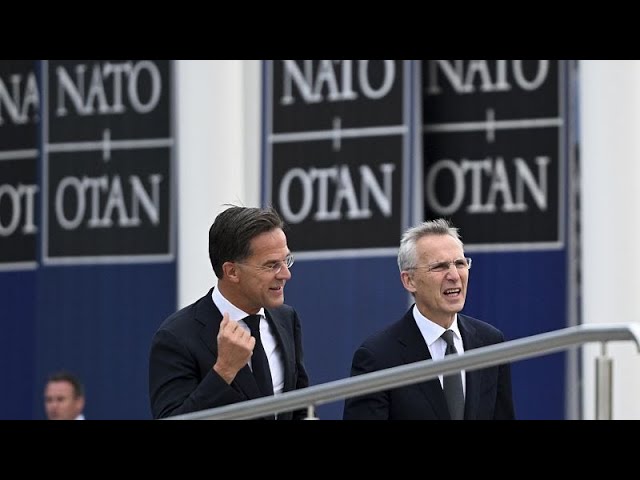
NATO: Ukraine ‘at the top of the list!’
NATO is training to fight cyber attacks

Digital Ocean Twin: Protecting the Oceans
What is the outlook for France’s economy?
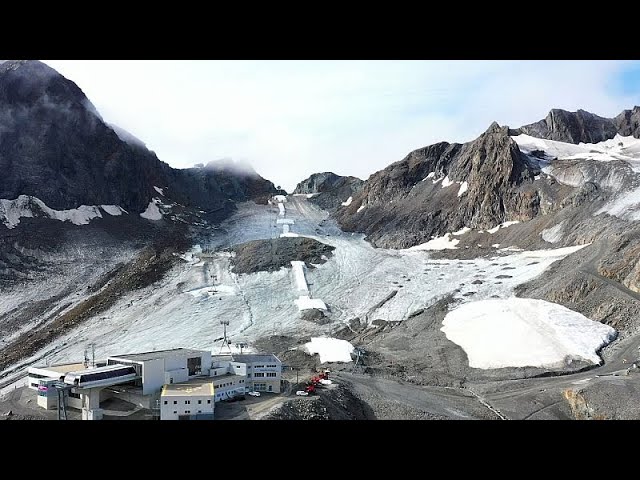
How melting Alpine glaciers affect valleys