-
 French readers lap up Sarkozy's prison diaries
-
UK PM warns Abramovich 'clock is ticking' over Chelsea sale fund

-
 Warner Bros. Discovery rejects Paramount bid
-
Winners of 2026 World Cup to pocket $50 million in prize money

-
 World no. 1 Alcaraz ends 'incredible ride' with coach Ferrero
-
World number one Alcaraz announces 'difficult' split with coach Ferrero

-
 Iran boxer sentenced to death at 'imminent' risk of execution: rights groups
-
Snicko operator admits error that led to Carey's Ashes reprieve

-
 Finland PM apologises to Asian countries over MPs' mocking posts
-
Doctors in England go on strike for 14th time

-
 Romania journalists back media outlet that sparked graft protests
-
Rob Reiner's son awaiting court appearance on murder charges

-
 Ghana's Highlife finds its rhythm on UNESCO world stage
-
Stocks gain as traders bet on interest rate moves

-
 France probes 'foreign interference' after malware found on ferry
-
Europe's Ariane 6 rocket puts EU navigation satellites in orbit

-
 Bleak end to the year as German business morale drops
-
Hundreds queue at Louvre museum as strike vote delays opening

-
 Bondi shooting shocks, angers Australia's Jewish community
-
Markets rise even as US jobs data fail to boost rate cut bets

-
 Senegal talisman Mane overcame grief to become an African icon
-
Carey pays tribute to late father after home Ashes century

-
 'Many lessons to be learned' from Winter Games preparations, says ski chief
-
Emotional Carey slams ton to give Australia upper hand in 3rd Ashes Test

-
 Asian markets mixed as US jobs data fails to boost rate cut hopes
-
Carey slams ton as Australia seize upper hand in third Ashes Test

-
 Bondi shooting shocks, angers Australia Jewish community
-
Myanmar junta seeks to prosecute hundreds for election 'disruption'

-
 West Indies hope Christmas comes early in must-win New Zealand Test
-
Knicks beat Spurs in NBA Cup final to end 52-year trophy drought

-
 Khawaja revels in late lifeline as Australia 194-5 in 3rd Ashes Test
-
Grief and fear as Sydney's Jewish community mourns 'Bondi rabbi'

-
 Trump orders blockade of 'sanctioned' Venezuela oil tankers
-
Brazil Senate to debate bill to slash Bolsonaro jail term

-
 New Zealand ex-top cop avoids jail time for child abuse, bestiality offences
-
Eurovision facing fractious 2026 as unity unravels

-
 'Extremely exciting': the ice cores that could help save glaciers
-
Asian markets drift as US jobs data fails to boost rate cut hopes

-
 What we know about Trump's $10 billion BBC lawsuit
-
Ukraine's lost generation caught in 'eternal lockdown'

-
 'Catastrophic mismatch': Safety fears as Jake Paul faces Anthony Joshua
-
Australia's Steve Smith ruled out of third Ashes Test

-
 Khawaja grabs lifeline as Australia reach 94-2 in 3rd Ashes Test
-
Undefeated boxing great Crawford announces retirement

-
 Trump says orders blockade of 'sanctioned' Venezuela oil tankers
-
UK experiences sunniest year on record

-
 Australia holds first funeral for Bondi Beach attack victims
-
FIFA announces $60 World Cup tickets after pricing backlash

-
 Maresca relishes support of Chelsea fans after difficult week
-
Medical Care Technologies, Inc. (OTC Pink:MDCE) Announces Completion of AI-Based Consumer App, Now in iOS App Store Review
NYSE - LSE
Nuclear weapons for Poland against Russia?
As Donald Trump’s second term as U.S. President intensifies global tensions, a volatile mix of international defiance and regional military posturing is emerging, with Poland at the centre of a brewing storm. Amidst protests against Trump’s policies, speculation about nuclear escalation and Poland’s strategic moves against Russia have raised alarms, encapsulated in the provocative phrase circulating among activists and commentators: "We are ready for war." Yet, the reality behind these developments remains grounded in diplomatic friction and military preparedness rather than imminent conflict.
Trump’s inauguration on 20 January 2025 marked a return to his "America First" stance, including a pledge to reassess U.S. commitments to NATO, announced in a speech in Texas on 25 January. This has sparked outrage across Europe, with protests erupting in cities like Paris and Berlin. On 28 January, French activist Élise Moreau told a crowd of 12,000 outside the U.S. Embassy in Paris—according to police estimates—that "we are ready for war" against Trump’s "disruptive unilateralism." Similar sentiments have echoed in Warsaw, where Polish citizens and officials fear that a weakened NATO could embolden Russia’s ambitions in Eastern Europe.
Poland’s response has been swift and assertive. On 5 March, the Polish Ministry of Defence confirmed the deployment of an additional 10,000 troops to its eastern border with Belarus and Ukraine, citing "heightened Russian military activity" in the region. This followed reports from the Ukrainian General Staff on 2 March that Russia had amassed 50,000 troops near its western frontier, though Moscow denied any aggressive intent. Poland’s Foreign Minister, Anna Kowalska, stated on 7 March that "Warsaw will not wait for threats to materialise," framing the troop surge as a defensive "gambit" to deter Russian advances.
The spectre of nuclear weapons has further inflamed rhetoric. On 10 March, a senior Polish MP from the ruling Law and Justice Party, Janusz Kowalski, suggested in a televised debate that Poland might seek NATO nuclear sharing agreements "if the U.S. wavers." This echoed Trump’s own comments on 8 March in Florida, where he hinted at reconsidering America’s nuclear umbrella over Europe, stating, "Allies need to pay their share, or they’re on their own." No evidence suggests nuclear weapons are currently "on the way" to Poland, but the remarks have fuelled speculation and alarm, amplified by posts on X claiming "nukes" are imminent.
Across the Atlantic, Trump has dismissed the backlash. At a rally in Michigan on 15 March, attended by an estimated 18,000 supporters according to local authorities, he called European critics "freeloaders" and reiterated his intent to renegotiate defence pacts. The White House followed this with a statement on 16 March, asserting that "no changes to NATO’s nuclear posture are under consideration," attempting to quell fears of escalation.
In Europe, reactions vary. Germany’s Foreign Ministry expressed "deep concern" on 12 March about Poland’s troop movements, urging restraint to avoid provoking Moscow. Meanwhile, NATO Secretary General Mark Rutte announced on 17 March that the alliance would hold emergency talks in Brussels next week to address "cohesion and deterrence" amid Trump’s pressures. Analysts note that Poland’s actions align with its long-standing policy of bolstering its military—its defence budget reached 4% of GDP in 2024, per World Bank data—reflecting fears rooted in Russia’s 2022 invasion of Ukraine.
The "ready for war" rhetoric, while widespread, remains symbolic. Dr. Katarzyna Zielinska, a security expert at Jagiellonian University in Krakow, told this publication, "Poland’s gambit is about deterrence, not aggression. Talk of war—or nukes—is an expression of anxiety, not a plan." Still, the situation is precarious. The International Institute for Strategic Studies reported on 14 March that Russian air patrols near Polish airspace increased by 20% in February 2025 compared to the previous year, heightening regional tensions.
For now, the international rebellion against Trump and Poland’s military stance are distinct but intertwined threads in a broader tapestry of uncertainty. Protests continue—organisers in London are planning a rally for 25 March—while Poland’s border fortifications proceed. Whether these developments signal a genuine slide towards conflict or a recalibration of global alliances remains unclear. What is certain is that Trump’s shadow, and Russia’s looming presence, have set the stage for a critical test of resolve in the months ahead.
Trap laid, Ukraine walked in
BRICS-Dollar challenge
Saudi shift shakes Israel
Al-Qaida’s growing ambitions
Argentina's radical Shift
Hidden Cartel crisis in USA
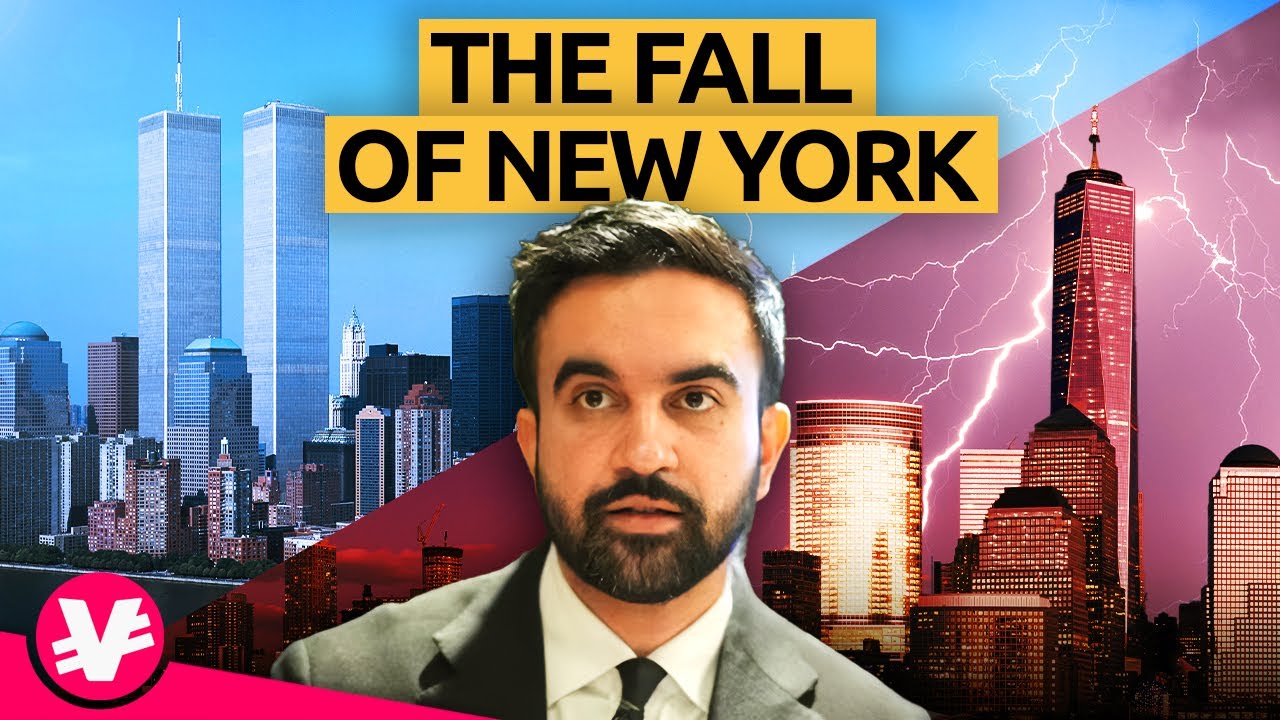
New York’s lost Luster
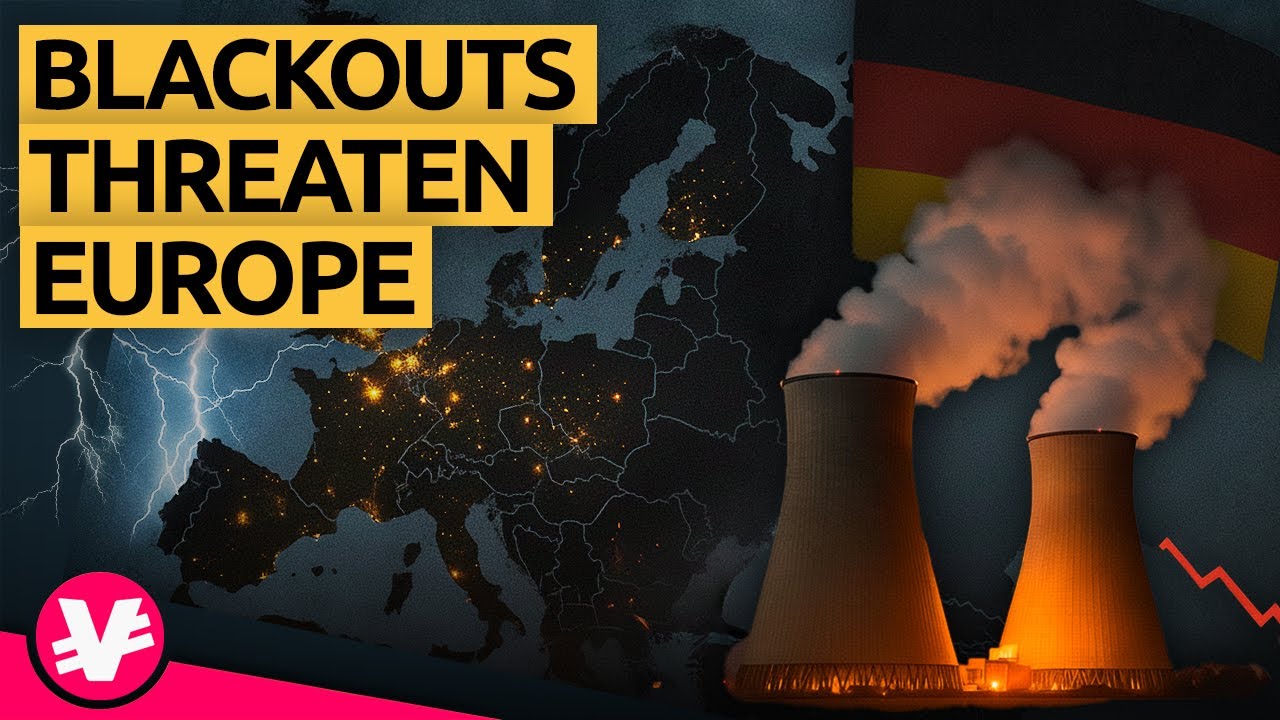
Europe’s power shock
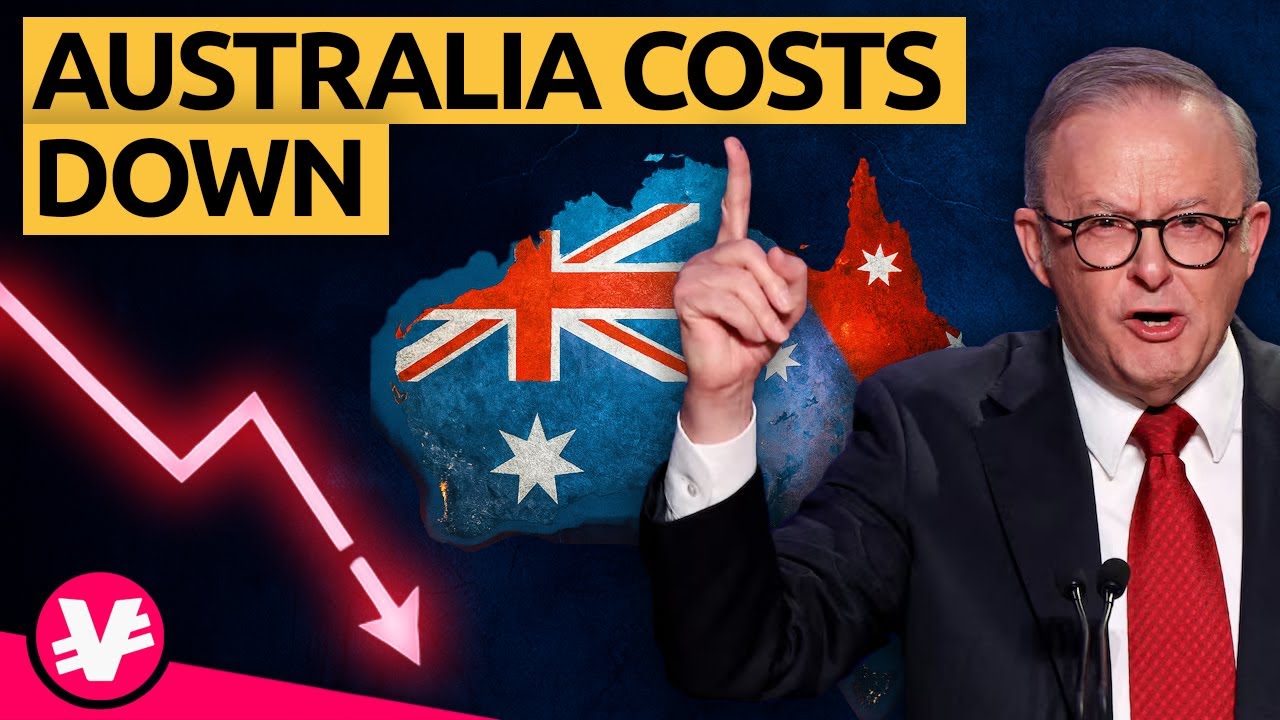
Australian economy Crisis

Israel’s Haredi Challenge
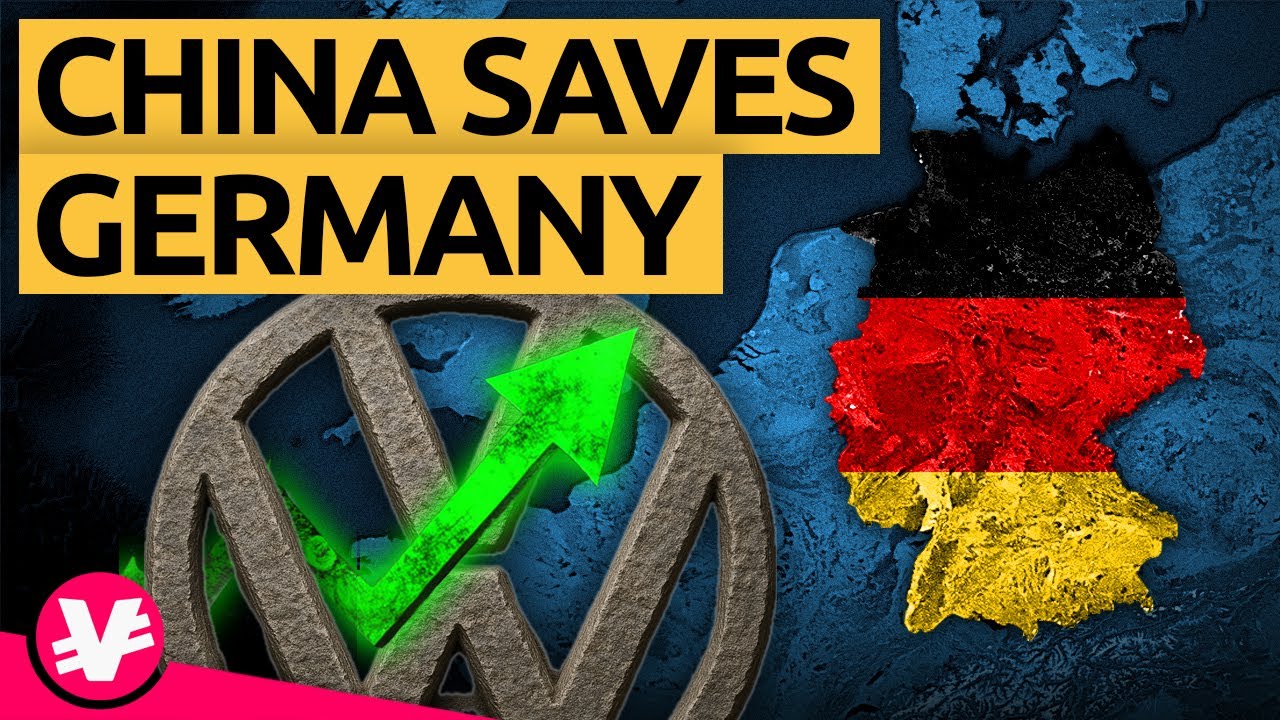
Miracle in Germany: VW soars