-
 Cherki inspires Man City, Newcastle strike late to reach League Cup semis
-
Barcelona, Lyon and Chelsea reach Women's Champions League quarters

-
 Venezuela reacts defiantly to US oil blockade, claims exports unaffected
-
Nasdaq tumbles on renewed angst over AI building boom

-
 S.Africa expels Kenyans working on US Afrikaner 'refugee' applications
-
US Congress ends Syria sanctions

-
 Cherki inspires Man City cruise into League Cup semis
-
Billionaire Trump nominee confirmed to lead NASA amid Moon race

-
 Mahomes undergoes surgery, could return for 2026 opener: Chiefs
-
Melania Trump steps into spotlight in Amazon film trailer

-
 Brazil Senate advances bill that could cut Bolsonaro jail term
-
Safonov hero as PSG beat Flamengo in Intercontinental Cup

-
 Oscars to stream exclusively on YouTube from 2029
-
Oscars to stream exclusively on YouTube from 2029: Academy

-
 CNN's future unclear as Trump applies pressure
-
Brazil threatens to walk if EU delays Mercosur deal

-
 Zelensky says Russia preparing for new 'year of war'
-
Rob Reiner's son appears in court over parents' murder

-
 US Congress passes defense bill defying Trump anti-Europe rhetoric
-
Three Russia-themed anti-war films shortlisted for Oscars

-
 US oil blockade of Venezuela: what we know
-
Palace boss Glasner says contract talks on hold due to hectic schedule

-
 Netflix to launch FIFA World Cup video game
-
Venezuela says oil exports continue normally despite Trump 'blockade'

-
 German MPs approve 50 bn euros in military purchases
-
India v South Africa 4th T20 abandoned due to fog

-
 Hydrogen plays part in global warming: study
-
EU's Mercosur trade deal hits French, Italian roadblock

-
 What next for Belarus after US deal on prisoners, sanctions?
-
Brazil Senate debates bill that could slash Bolsonaro jail term

-
 Coe shares 'frustration' over marathon record despite Kenyan's doping ban
-
Stolen Bruce Lee statue 'returns' to Bosnia town

-
 Veteran Suarez signs new Inter Miami contract
-
Warner Bros rejects Paramount bid, sticks with Netflix

-
 Crude prices surge after Trump orders Venezuela oil blockade
-
Balkan nations offer lessons on handling cow virus sowing turmoil

-
 French readers lap up Sarkozy's prison diaries
-
UK PM warns Abramovich 'clock is ticking' over Chelsea sale fund

-
 Warner Bros. Discovery rejects Paramount bid
-
Winners of 2026 World Cup to pocket $50 million in prize money

-
 World no. 1 Alcaraz ends 'incredible ride' with coach Ferrero
-
World number one Alcaraz announces 'difficult' split with coach Ferrero

-
 Iran boxer sentenced to death at 'imminent' risk of execution: rights groups
-
Snicko operator admits error that led to Carey's Ashes reprieve

-
 Finland PM apologises to Asian countries over MPs' mocking posts
-
Doctors in England go on strike for 14th time

-
 Romania journalists back media outlet that sparked graft protests
-
Rob Reiner's son awaiting court appearance on murder charges

-
 Ghana's Highlife finds its rhythm on UNESCO world stage
-
Stocks gain as traders bet on interest rate moves

NYSE - LSE
Israel escalates War to crush Hamas
Israel has intensified its military campaign in the Gaza Strip, declaring an unwavering resolve to eradicate Hamas, the Palestinian militant group, regardless of the consequences. This latest escalation, which shattered a fragile ceasefire established in January, has plunged the region into renewed violence, with devastating tolls reported on both sides. Israeli Prime Minister Benjamin Netanyahu and Defence Minister Israel Katz have reiterated that the destruction of Hamas and the release of all remaining hostages are non-negotiable objectives, signalling a shift to an uncompromising strategy.
The ceasefire, brokered after 15 months of relentless conflict, collapsed on 18 March when Israel launched a series of surprise airstrikes across Gaza. According to Gaza’s Health Ministry, more than 400 Palestinians were killed in the initial 24 hours alone, marking it the deadliest day since 2023. The Israeli Defence Forces (IDF) claimed the strikes targeted Hamas "terror infrastructure," including senior officials such as Essam Addalees, the de facto head of Hamas’s government in Gaza, and Mahmoud Abu Watfa, a high-ranking security official. Hamas confirmed these losses but condemned the attacks as assaults on "defenceless civilians," urging international mediators to intervene.
Israel’s renewed offensive follows weeks of stalled negotiations over extending the ceasefire’s second phase, which aimed to secure the release of approximately 59 hostages still held by Hamas from the 251 abducted during the group’s 7 October 2023 attack. Israel demanded that Hamas free half the captives as a precondition, a proposal the group rejected, insisting on a full Israeli withdrawal from Gaza and a permanent truce. Netanyahu, addressing the nation, stated, "From now on, Israel will act against Hamas with increasing military force until it no longer poses a threat." Katz echoed this sentiment, warning that "the gates of hell will open in Gaza" if Hamas fails to comply.
The military strategy has expanded beyond airstrikes. On 19 March, the IDF resumed ground operations in central and southern Gaza, retaking the Netzarim Corridor—a strategic bisecting line—previously relinquished during the truce. Reports indicate Israel is preparing to deploy additional troops, including a division recently active in Lebanon, to intensify the ground offensive. Defence Minister Katz has also alluded to implementing "US President Trump’s voluntary transfer plan" for Gaza’s two million residents, a controversial proposal to relocate Palestinians elsewhere, which the Palestinian Authority and Hamas have decried as "ethnic cleansing."
The human cost has been staggering. Gaza health officials report over 49,500 Palestinian deaths since the war began, with the latest strikes adding hundreds more, including children and civilians. A notable incident on 22 March saw an Israeli airstrike on Khan Younis’ Nasser Hospital kill two, including a 16-year-old boy and Ismail Barhoum, a Hamas political bureau member, sparking outrage over the targeting of medical facilities. Israel justified the strike, asserting it hit a Hamas operative within the hospital, a claim consistent with its narrative of blaming civilian casualties on Hamas’s use of populated areas.
Internationally, reactions have been swift and polarised. The United States, under President Donald Trump, has expressed staunch support, with White House Press Secretary Karoline Leavitt affirming that "Hamas will see a price to pay." Conversely, Egypt, Qatar, and the United Arab Emirates—key mediators—condemned the assault, warning of catastrophic repercussions. The United Nations has highlighted the illegality of forced displacement under international law, while protests in Jerusalem reflect domestic dissent, with families of hostages accusing Netanyahu of abandoning their loved ones.
Despite the heavy toll inflicted, Hamas has shown resilience. Israeli and Palestinian sources acknowledge the group’s ability to absorb losses and maintain governance, with rocket attacks on Tel Aviv resuming on 20 March—the first since the ceasefire’s collapse. Analysts suggest that while Israel’s military superiority is undeniable, eradicating Hamas entirely may prove elusive given its deep-rooted presence in Gaza.
As the conflict escalates, the international community braces for a protracted war. Netanyahu’s pledge that this is "only the beginning" underscores Israel’s determination, but at what cost—to both Palestinians and its own citizens—remains a question that looms large over this unrelenting crisis.
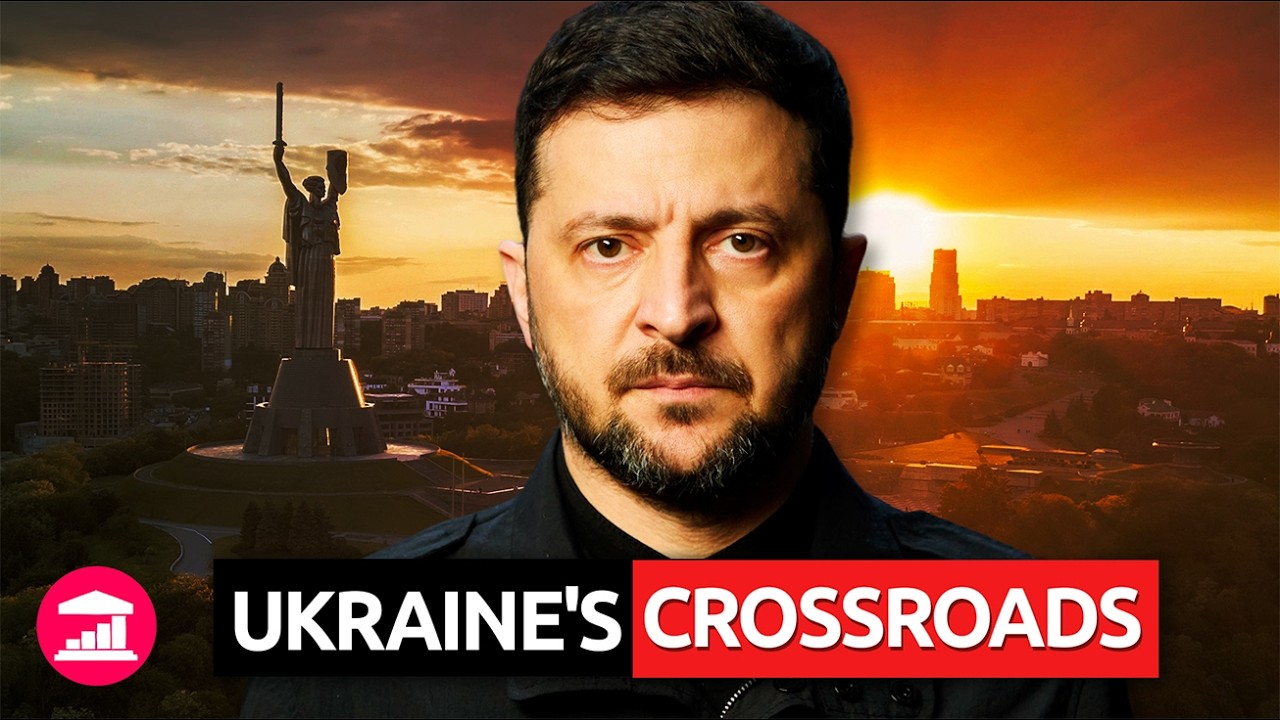
Trap laid, Ukraine walked in
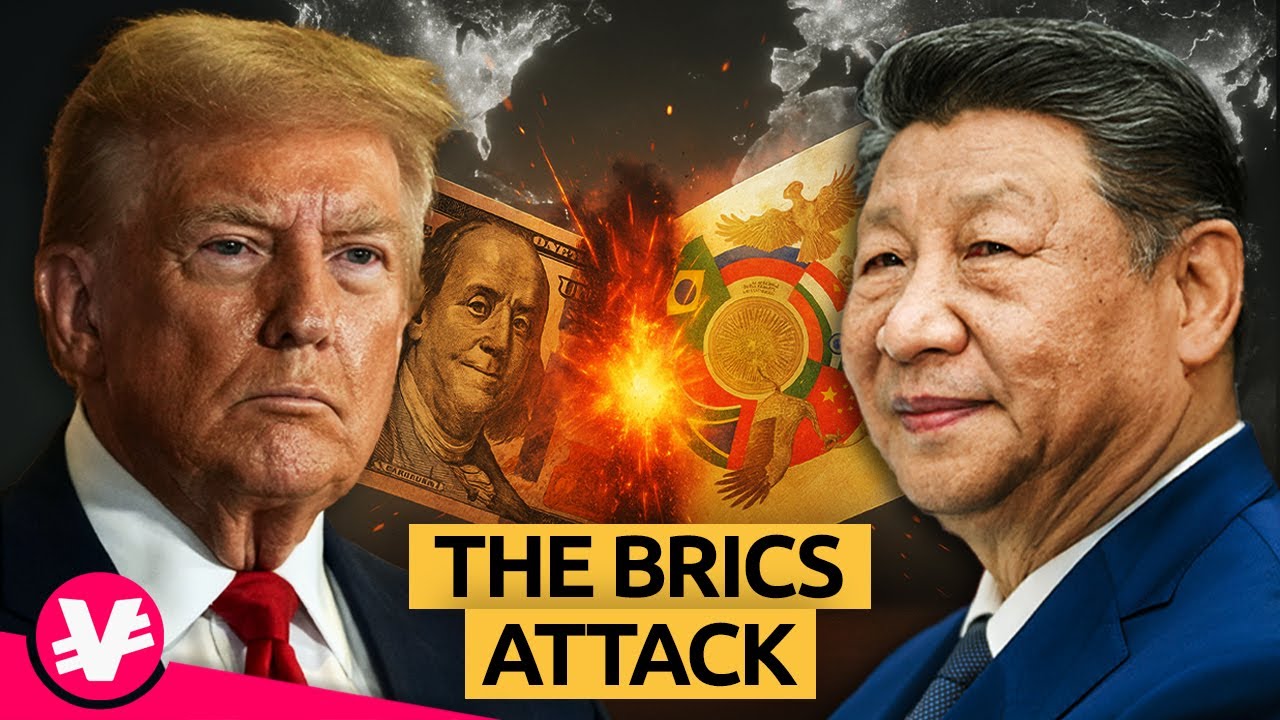
BRICS-Dollar challenge

Saudi shift shakes Israel
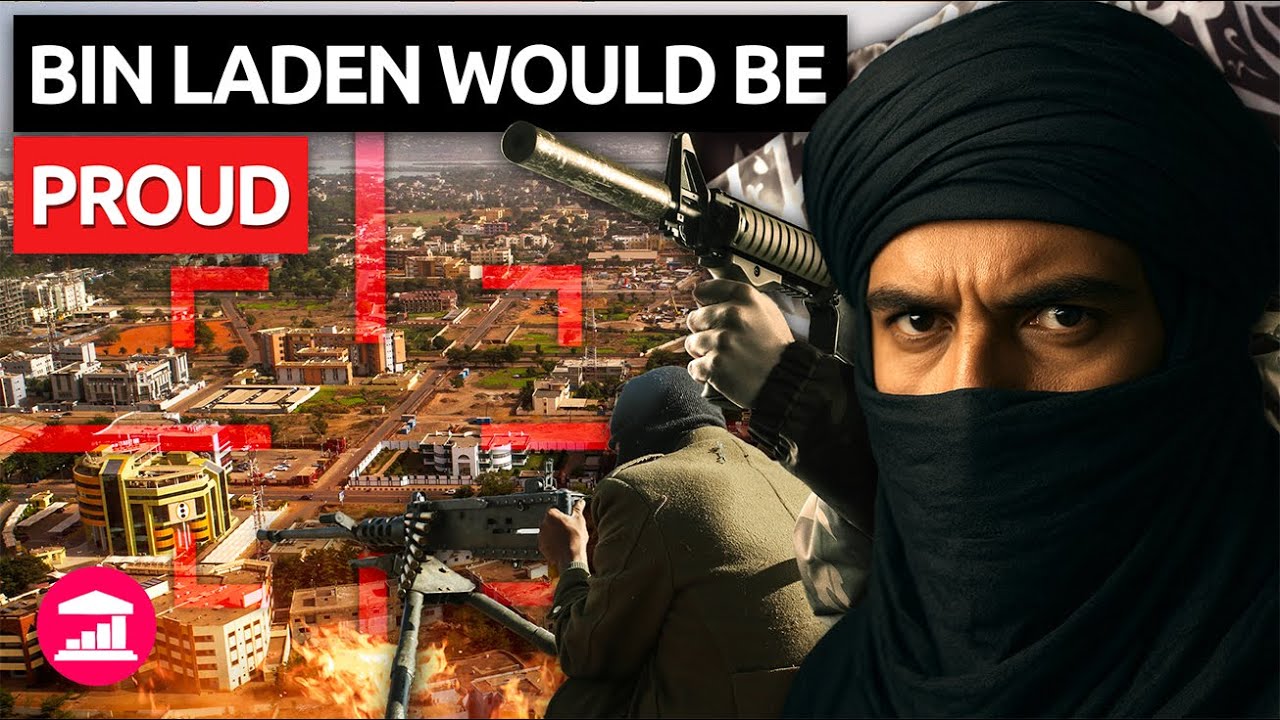
Al-Qaida’s growing ambitions

Argentina's radical Shift

Hidden Cartel crisis in USA

New York’s lost Luster
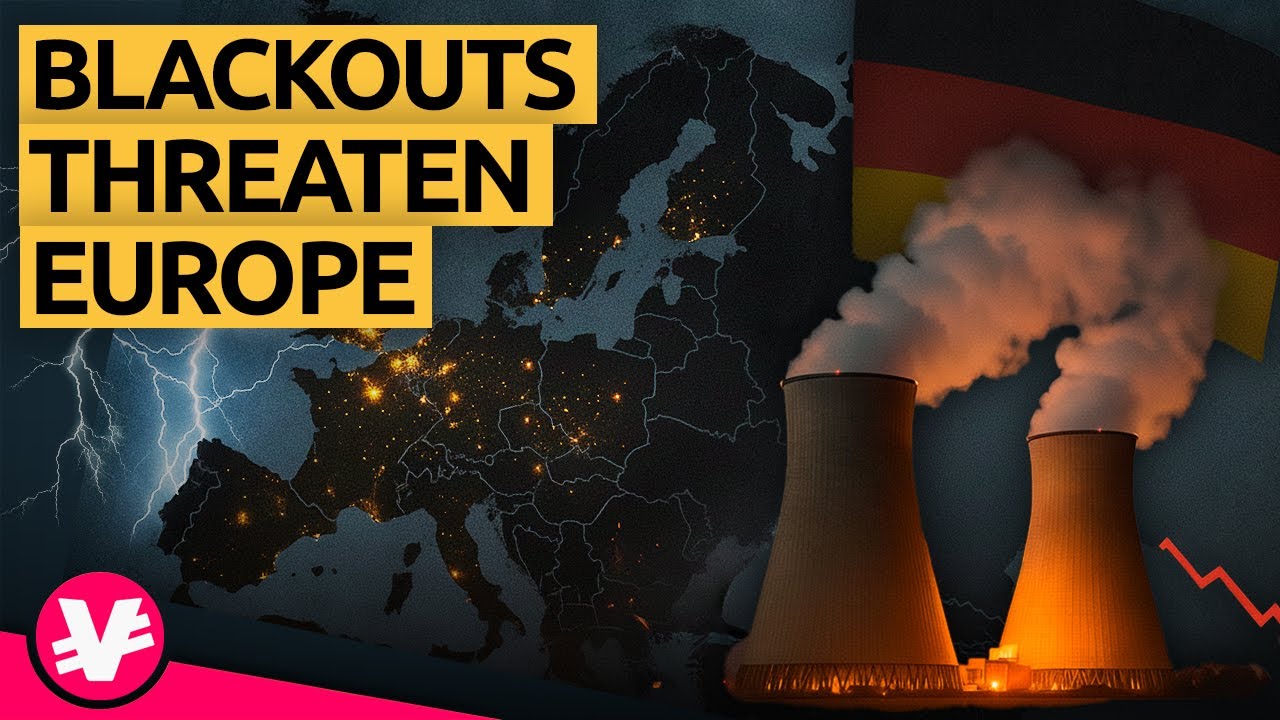
Europe’s power shock
Australian economy Crisis

Israel’s Haredi Challenge

Miracle in Germany: VW soars